People’s Lives Quick Revision Notes & Expected MCQs

Peoples Lives - E-book NCERT

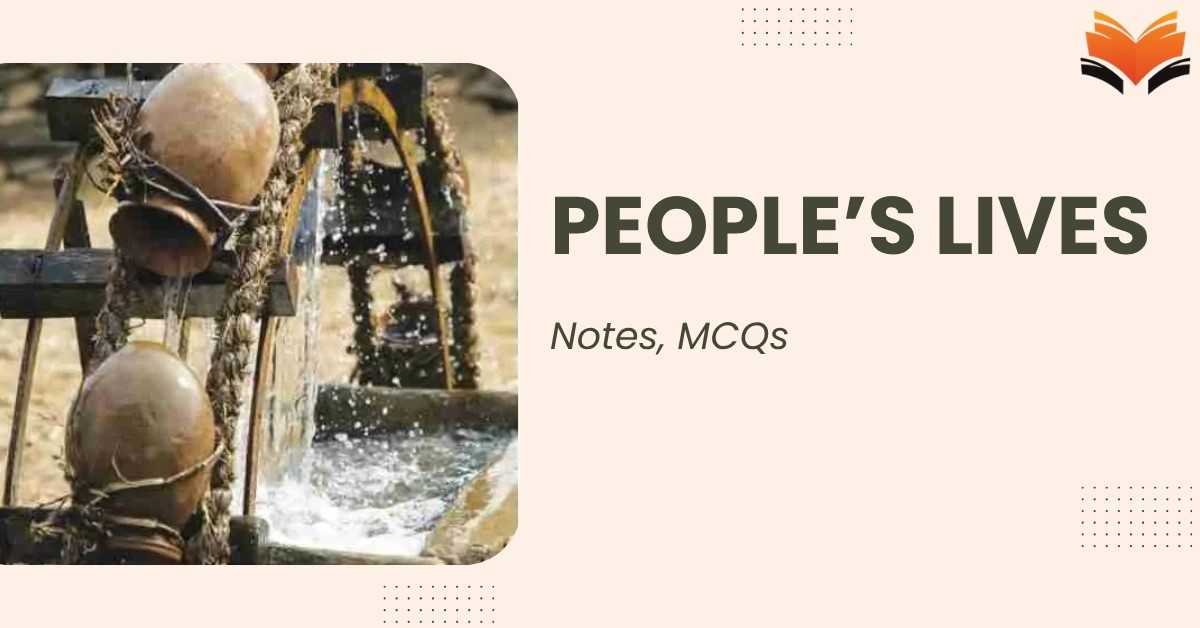
Between the 13th and 17th centuries, India remained economically prosperous despite political instability. Agriculture was the mainstay of the economy, supported by irrigation and the production of food and commercial crops. Artisans produced textiles, weapons, utensils and jewellery, while shipbuilding and trade connected India with Arabia, Persia and Central Asia. Systems such as guilds, jātis, … Read more

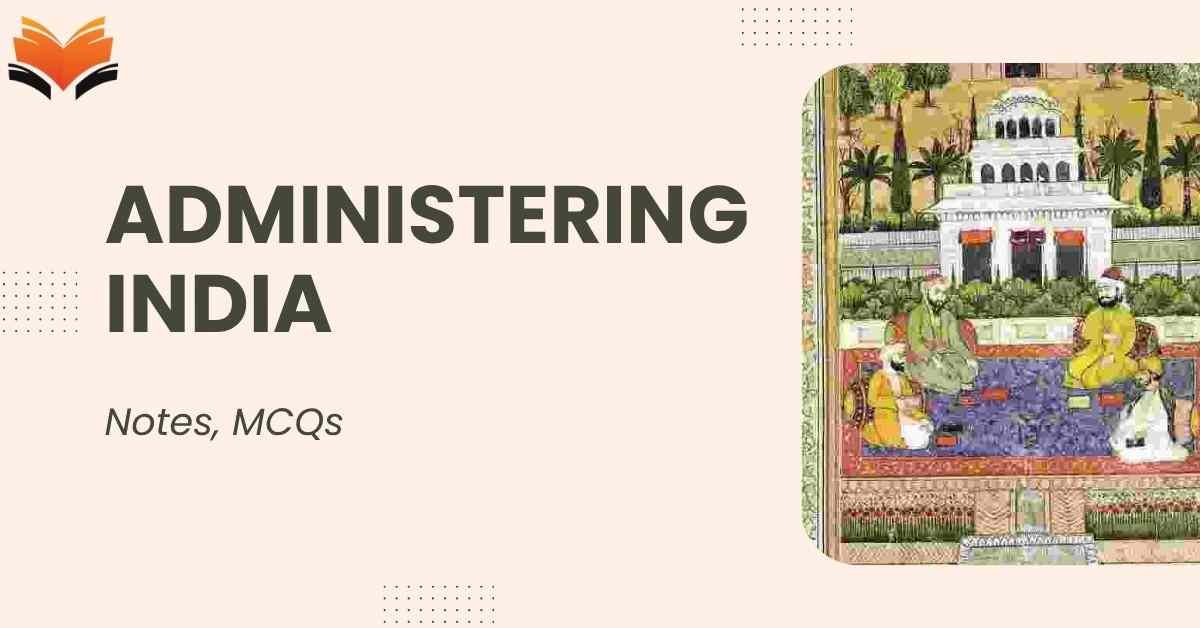
Administering India Last-Minute Notes & Scoring MCQs

Administering India - E-book NCERT

The Delhi Sultanate was governed by the Sultan, who held supreme political and military authority with the help of ministers. Its iqta system assigned territories to nobles called iqtadars for tax collection and military maintenance, while the heavy burden of taxation often fell on peasants. Under Akbar, the Mughal administration became more organised. Different ministers … Read more

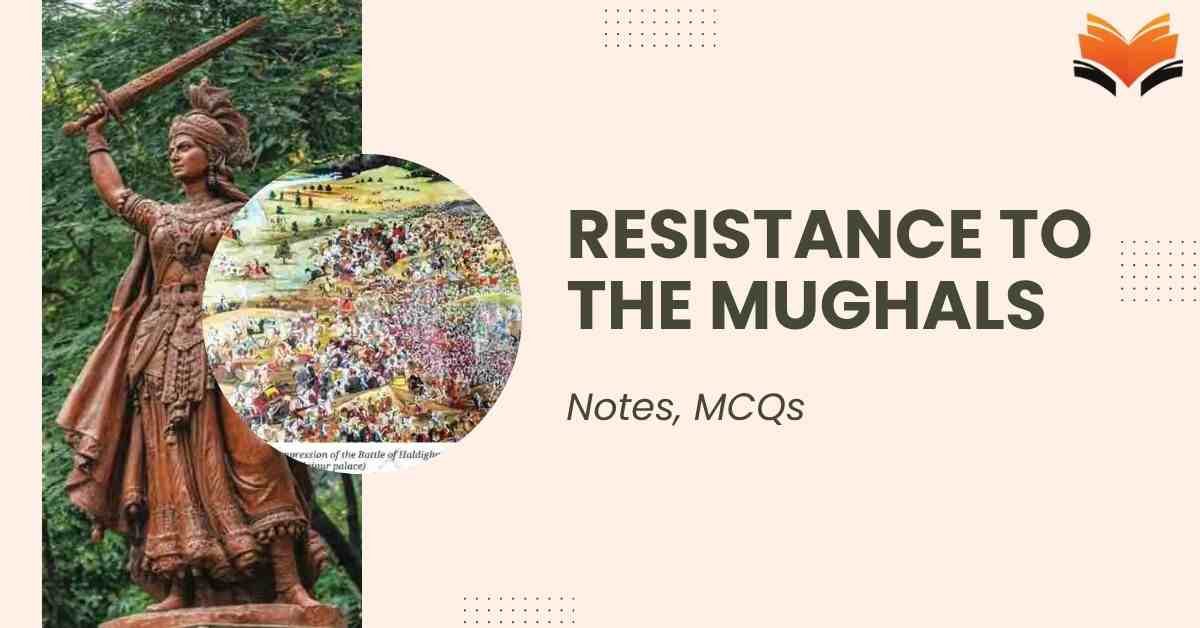
Resistance to the Mughals Key Points & Key MCQs

Resistance to the Mughals - E-book NCERT

Resistance to Mughal rule came from several groups, including peasants, tribal communities, Rajputs, Ahoms and Sikhs. Jat peasants and tribes such as the Bhils and Gonds rebelled against exploitation and taxation. Maharana Pratap became a symbol of Rajput resistance, fighting the Mughals through guerrilla warfare with Bhil support. In Assam, the Ahoms defeated a much … Read more

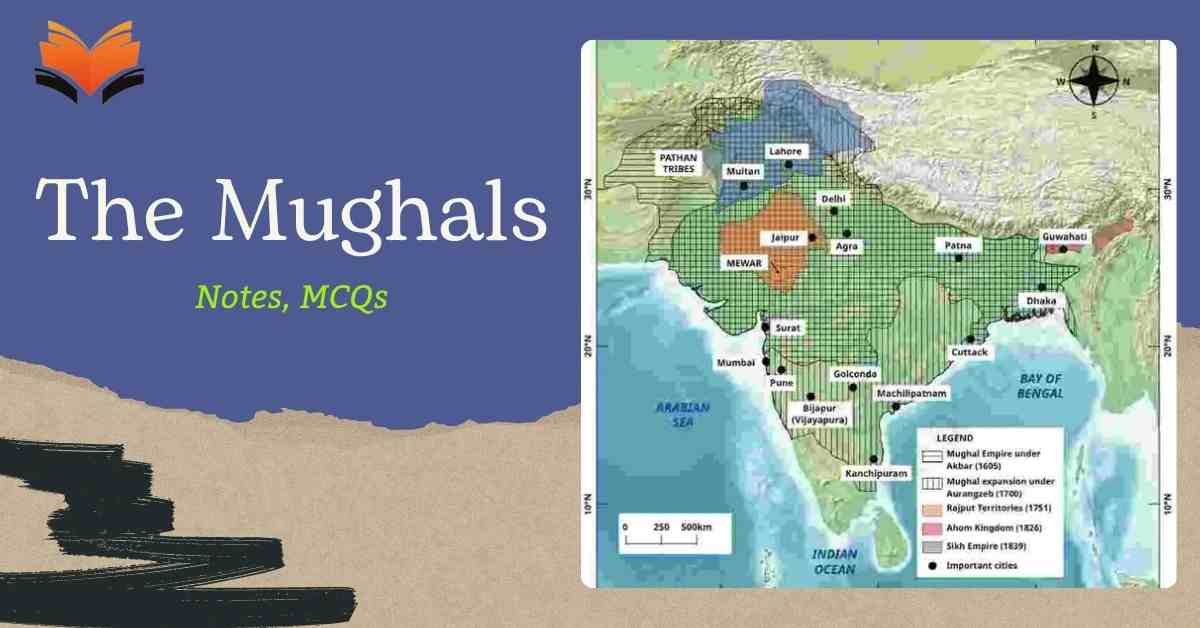
The Mughals Revision Notes with Practice MCQs

The Mughals - E-book NCERT

The Mughal Empire was founded by Babur after his victory over Ibrahim Lodi in the First Battle of Panipat in 1526. After Humayun and the brief rule of Sher Shah Suri, Akbar greatly expanded and strengthened the empire through military conquests and policies of tolerance, including abolishing jizya and promoting sulh-i-kul. Jahangir and Shah Jahan … Read more

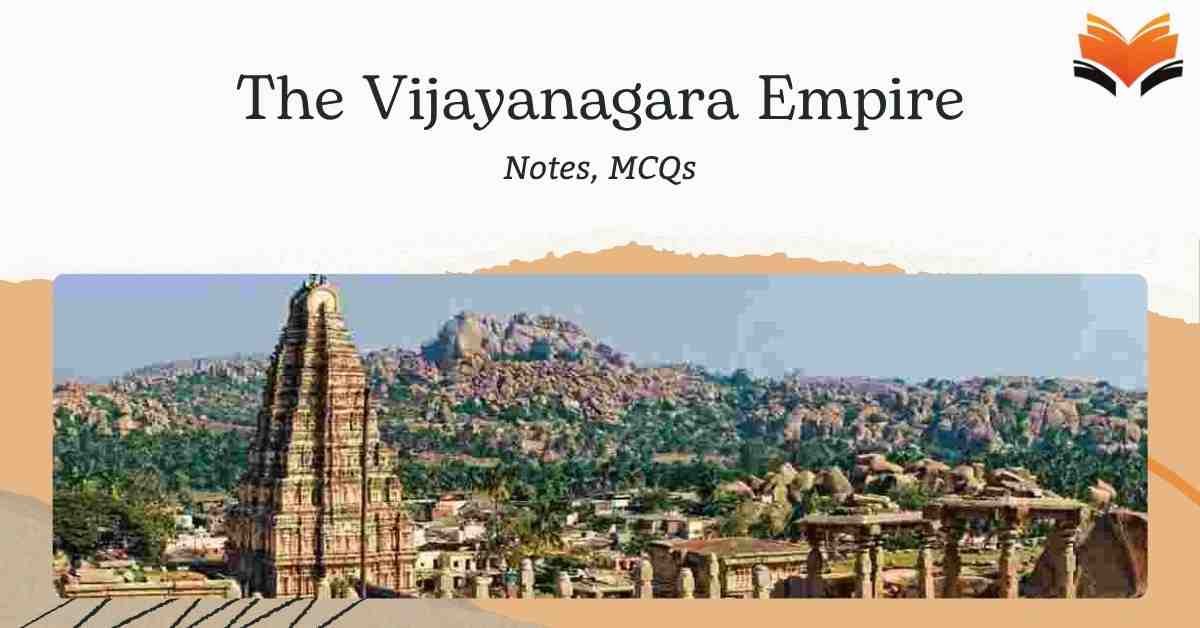
The Vijayanagara Empire Important Points with Top MCQs

The Vijayanagara Empire - E-book NCERT

The Vijayanagara Empire was established in the 14th century by Harihara and Bukka Raya in southern India after they rejected Delhi Sultanate’s authority. Its major rival was the Bahmani Sultanate and later the Deccan Sultanates. The empire reached its peak under Krishnadevaraya in the 16th century, who strengthened the empire, promoted trade, literature, art and … Read more

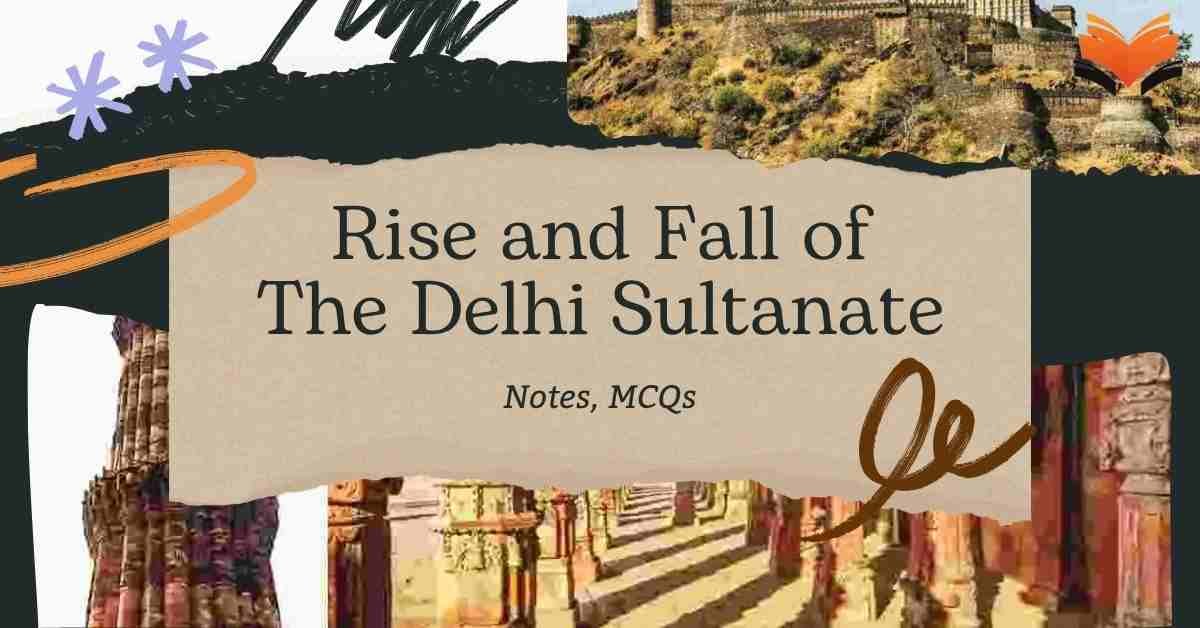
Rise and Fall of The Delhi Sultanate Quick Notes & MCQs

Rise and Fall of The Delhi Sultanate - E-book NCERT

The Delhi Sultanate emerged after the defeat of Prithviraj Chauhan in 1192 and was ruled by five dynasties: Mamluks, Khiljis, Tughlaqs, Sayyids and Lodis. It expanded across northern and parts of central and southern India through military campaigns, but faced constant rebellions and resistance from kingdoms such as the Eastern Gangas, Hoysalas, Mewar and the … Read more

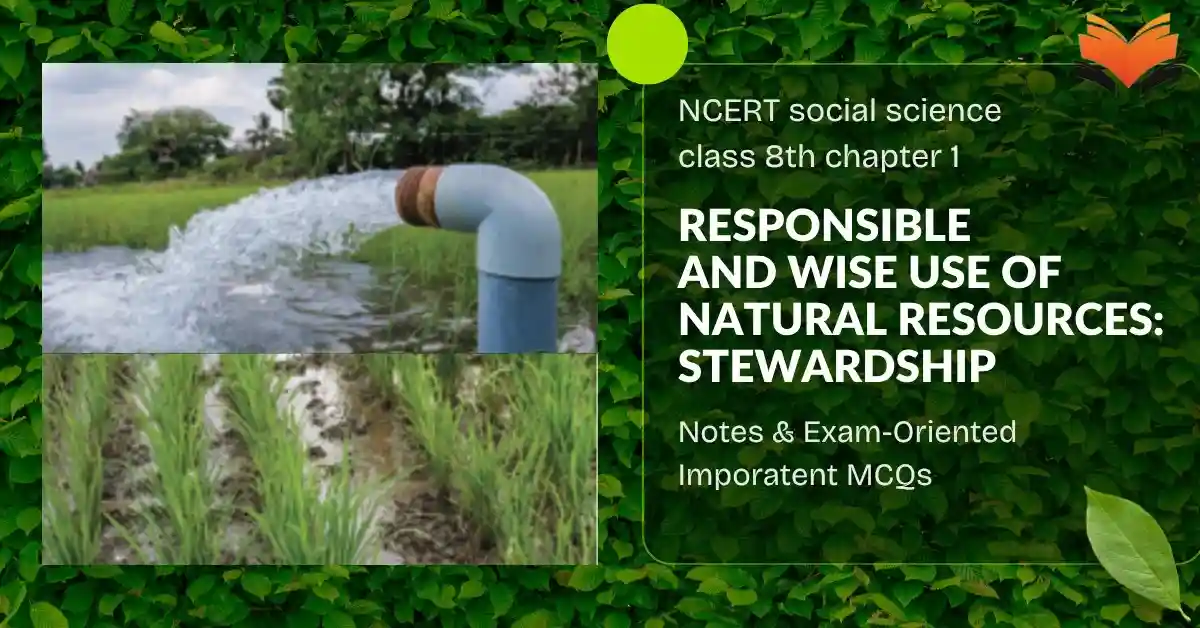
Responsible and Wise Use of Natural Resources: Stewardship

Responsible and Wise Use of Natural Resources Stewardship - Notes & MCQs - E-book NCERT

Responsible use of natural resources means using them wisely while allowing renewable resources to restore and regenerate and using non-renewable resources judiciously. Overexploitation of groundwater, excessive use of chemical fertilisers and pesticides, and industrial pollution can cause resource depletion, soil degradation, health hazards and environmental damage. The groundwater crisis in Punjab highlights the dangers of … Read more

The ‘Paradox of Plenty’ Important Points, Exam MCQs

The ‘Paradox of Plenty’ Important Points, Exam MCQs - E-book NCERT

The ‘Paradox of Plenty’, also called the ‘natural resource curse’, refers to the situation where countries or regions with abundant natural resources do not necessarily achieve economic prosperity. This happens when they fail to develop industries that convert raw resources into higher-value products. Therefore, having natural resources alone is not enough for economic growth. Human … Read more

Distribution of Natural Resources and Its Implications Notes, MCQ

Distribution of Natural Resources and Its Implications Notes, MCQ - E-book NCERT

Natural resources are unevenly distributed across the world and within countries. Their availability influences human settlements, trade, industries, international relations, and even conflicts and wars. Resource-rich areas often attract industries, create jobs, and promote economic development, but development projects may also displace local communities and threaten sacred places. Natural resources also play an important role … Read more

Categories of Natural Resources Class 8 Key Points, Questions

Categories of Natural Resources Class 8 Key Points, Questions - E-book NCERT

Natural resources can be categorised based on their uses and their ability to renew. Based on uses, they are grouped into resources essential for life such as air, water, and food; resources for materials such as wood, marble, coal, and gold; and resources for energy such as coal, petroleum, natural gas, sunlight, wind, and flowing … Read more

When Does Nature Become A Resource Revision Notes & MCQs

When Does Nature Become A Resource Revision Notes & MCQs - E-book NCERT

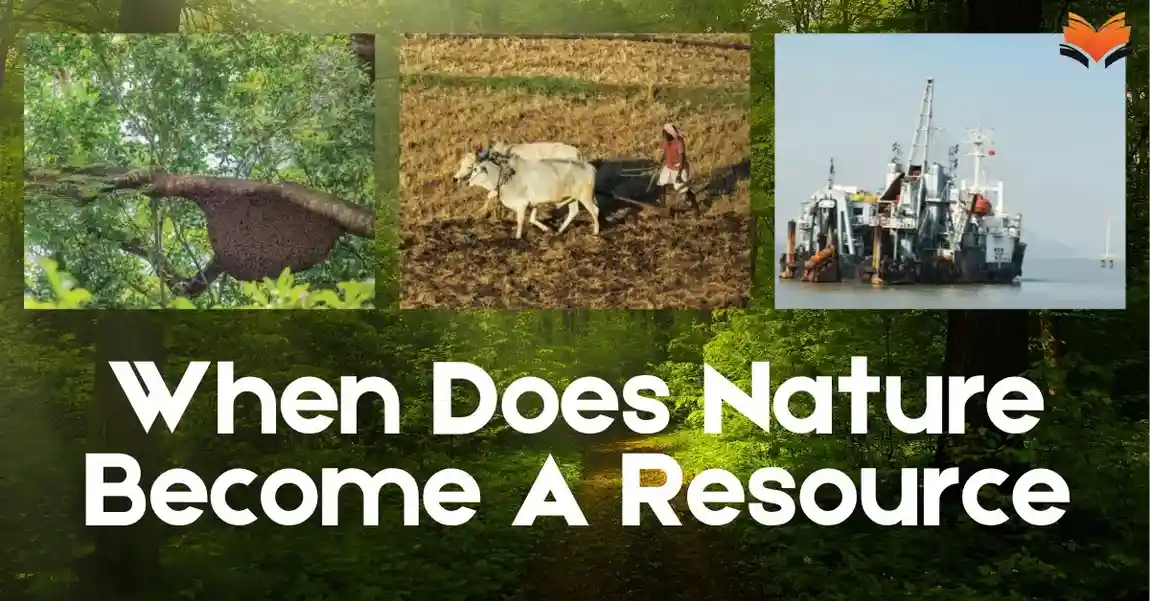
Nature becomes a resource when humans use its elements for their survival, needs, or consumption. For example, trees are part of Nature, but when their wood is used to make furniture, they become a resource. However, an element of Nature can be considered a resource only when it is technologically accessible, economically feasible to use, … Read more