
Natural resources are unevenly distributed across the world and within countries. Their availability influences human settlements, trade, industries, international relations, and even conflicts and wars. Resource-rich areas often attract industries, create jobs, and promote economic development, but development projects may also displace local communities and threaten sacred places. Natural resources also play an important role in national and international trade. Since Nature does not follow political boundaries, sharing resources like river water can create disputes between states and countries. For example, the sharing of Kaveri River water among Karnataka, Tamil Nadu, Kerala, and Puducherry requires negotiations and cooperation for fair distribution.
We have discussed in-depth and exam-oriented pointers that can be asked in the board exam of class 8th about “Distribution of Natural Resources and Its Implications“ from the NCERT social science for class 8th chapter 1 “Natural Resources and Their Use “.
Distribution of Natural Resources and Its Implications
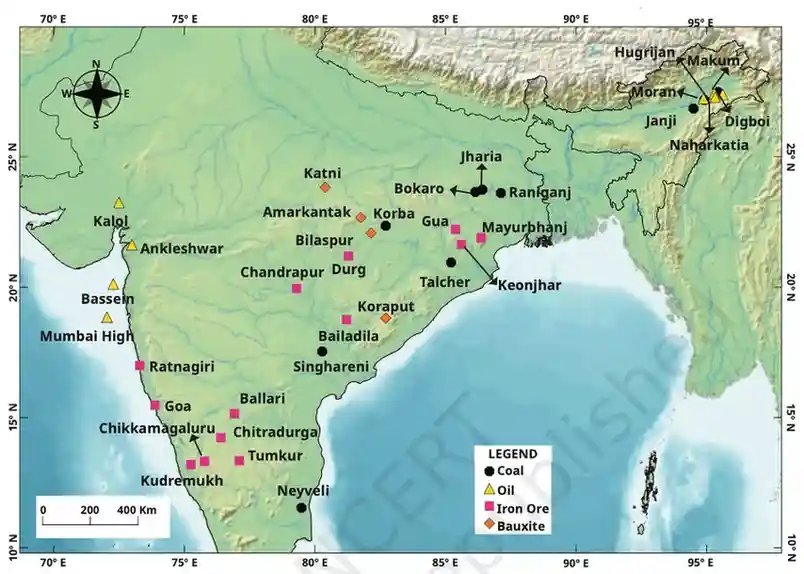
1. Uneven Distribution of Natural Resources:
- Natural resources are not evenly distributed across the planet.
- They are also unevenly distributed within countries.
- The uneven distribution of resources influences:
- Human settlements
- Trade patterns
- International relations
- Conflicts
2. Natural Resources and Conflicts:
- Many wars have been fought to gain control over natural resources.
- Conflicts over natural resources continue even today.
3. Impact on Employment and Settlements:
- Industries located near natural resources create employment opportunities for local people.
- Townships develop around such industries.
- These townships expand economic opportunities for other people as well.
- More modern facilities that improve the quality of life become accessible.
4. Costs of Resource-Based Development:
- The benefits of resource-based development are often accompanied by short-term and long-term costs.
- People living in resource-rich areas may be displaced from their homes to facilitate development.
- In some cases, the sacred places of local people may also come under threat.
- This can lead to conflicts.
5. Natural Resources and Trade:
- National and international trade depend on the geographical location of natural resources.
- Natural resources, combined with human knowledge and skills, can create unique products.
- Wootz steel is an example of such a unique product.
- Trade played an important role in the development of large empires in India.
6. Natural Resources and Political Boundaries:
- Nature does not recognise or pay attention to political boundaries.
- This creates tensions over the sharing of natural resources:
- Between different states
- Between different countries
7. Example: Kaveri River Water Sharing:
- The Kaveri River water is shared among:
- Karnataka
- Tamil Nadu
- Kerala
- Puducherry
- Negotiations and careful management were required to maintain:
- Peace
- Fair sharing of water
- Reaching agreements over shared natural resources is not easy, especially between neighbouring countries.
Exam & Revision Summary: Distribution of Natural Resources and its Implications
Natural resources are unevenly distributed across the Earth and even within individual countries. This uneven distribution has a major impact on human settlements, trade, industries, international relations and conflicts. Many conflicts and wars have been fought to gain control over valuable natural resources.
Resource-rich regions often attract industries, which create employment for local people. As industries develop, towns and settlements grow, providing wider economic opportunities and better facilities that can improve people’s quality of life. However, such development can also have negative consequences. People living in resource-rich areas may be displaced from their homes to make way for development projects. In some cases, their sacred places and cultural sites may also be threatened, resulting in social conflicts.
The geographical location of natural resources plays an important role in national and international trade. When natural resources are combined with human knowledge, skills and technology, they can produce valuable and unique products such as Wootz steel. Historically, trade in natural resources also contributed to the growth of large empires in India.
Natural resources do not follow political boundaries. Rivers, forests and other resources may flow across or exist between different states and countries. This can create disputes over their sharing. For example, the Kaveri River water is shared among Karnataka, Tamil Nadu, Kerala and Puducherry, requiring negotiation and careful management to ensure peaceful and fair distribution. Sharing natural resources between neighbouring countries can be even more difficult and requires cooperation, diplomacy and effective agreements.
Key takeaway: The uneven distribution of natural resources creates both opportunities and challenges. While resources can promote industrialisation, employment and trade, their exploitation may also cause displacement, environmental and cultural conflicts, and disputes between regions and countries. Therefore, fair sharing, cooperation and responsible management of natural resources are essential for sustainable development and peace.
MCQs on NCERT Social Science Class 8 Chapter 1 Topic – Distribution of Natural Resources and Its Implications
Here are the top exam-oriented MCQ-type questions on “Distribution of Natural Resources and Its Implications” that you should prepare for your CBSE or state board exams:
Question 1. How are natural resources distributed across the Earth?
A. They are evenly distributed everywhere
B. They are unevenly distributed across the planet and within countries
C. They are found only in developed countries
D. They are found only in rural areas
Answer: B. They are unevenly distributed across the planet and within countries
Question 2. Which of the following can be influenced by the uneven distribution of natural resources?
A. Human settlements
B. Trade patterns
C. International relations and conflicts
D. All of the above
Answer: D. All of the above
Question 3. Why have many wars been fought over natural resources?
A. To gain control over natural resources
B. To increase population
C. To promote tourism
D. To build schools
Answer: A. To gain control over natural resources
Question 4. What is one major benefit of industries being located near natural resources?
A. They reduce employment opportunities
B. They create employment opportunities for local people
C. They prevent the growth of towns
D. They stop economic development
Answer: B. They create employment opportunities for local people
Question 5. What may happen when industries develop near areas rich in natural resources?
A. Townships may grow and economic opportunities may expand
B. All trade activities stop
C. Local people lose all access to modern facilities
D. Natural resources become equally distributed
Answer: A. Townships may grow and economic opportunities may expand
Question 6. What is one negative consequence of development in resource-rich areas?
A. People may be displaced from their homes
B. Employment opportunities always disappear
C. Trade completely stops
D. Towns always become smaller
Answer: A. People may be displaced from their homes
Question 7. Why can conflicts arise in resource-rich areas?
A. Development may threaten people’s homes and sacred places
B. Natural resources are always equally distributed
C. Industries never create employment
D. Trade is not possible in such areas
Answer: A. Development may threaten people’s homes and sacred places
Question 8. What is the significance of natural resources in trade?
A. National and international trade depend partly on the geographical location of natural resources
B. Natural resources have no connection with trade
C. Trade depends only on population
D. Trade is possible only without natural resources
Answer: A. National and international trade depend partly on the geographical location of natural resources
Question 9. What can be created when natural resources are combined with human knowledge and skills?
A. Unique products such as Wootz steel
B. Only agricultural products
C. Political boundaries
D. Natural disasters
Answer: A. Unique products such as Wootz steel
Question 10. Which river water-sharing issue is given as an example of tensions over natural resources?
A. Ganga
B. Yamuna
C. Kaveri
D. Narmada
Answer: C. Kaveri
Question 11. The sharing of Kaveri River water involves which states and Union Territory?
A. Karnataka, Tamil Nadu, Kerala and Puducherry
B. Karnataka, Maharashtra, Goa and Gujarat
C. Tamil Nadu, Andhra Pradesh, Telangana and Odisha
D. Kerala, Goa, Maharashtra and Karnataka
Answer: A. Karnataka, Tamil Nadu, Kerala and Puducherry
Question 12. Why do tensions arise over the sharing of natural resources?
A. Nature does not follow political boundaries
B. Natural resources are equally distributed
C. Political boundaries control the movement of rivers
D. Natural resources exist only within one country
Answer: A. Nature does not follow political boundaries
Question 13. What is required to maintain peace and ensure fair sharing of resources such as river water?
A. War and competition
B. Negotiations and deft management
C. Complete control by one state
D. Stopping all development
Answer: B. Negotiations and deft management
Question 14. Which statement best explains the overall implication of the uneven distribution of natural resources?
A. It affects only the location of industries.
B. It can bring economic development and employment but may also lead to displacement, conflicts and tensions over resource sharing.
C. It has no impact on human settlements or international relations.
D. It always benefits everyone equally.
Answer: B. It can bring economic development and employment but may also lead to displacement, conflicts and tensions over resource sharing.
Next & Previous Topics of NCERT/CBSE Social Science Class 8 Chapter 1: Natural Resources and Their Use
FAQs on Distribution of Natural Resources and Its Implications Class 8 Social Science
1. Why are natural resources not evenly distributed?
Answer: Natural resources are not evenly distributed across the Earth or even within individual countries. Their uneven distribution influences human settlements, trade patterns, international relations and conflicts.
2. What are the implications of the uneven distribution of natural resources?
Answer: The uneven distribution of natural resources affects human settlements, trade patterns, international relations and conflicts. Many wars have been fought, and continue to be fought, to gain control over natural resources.
3. How do natural resources influence human settlements and economic development?
Answer: Industries located near natural resources create employment opportunities for local people. Townships grow around these industries, expanding economic opportunities for others. More modern facilities that improve the quality of life also become accessible.
4. What are the positive and negative impacts of development in resource-rich areas?
Answer: Resource-rich areas may benefit from employment opportunities, the growth of townships, increased economic opportunities and better modern facilities. However, development can also displace people from their homes, threaten sacred places and lead to conflicts.
5. How does the distribution of natural resources affect trade and international relations?
Answer: National and international trade depend on the geographical location of natural resources. The availability of resources, along with human knowledge and skills, can help create unique products and influence trade and the development of large empires.
6. Why do conflicts arise over natural resources?
Answer: Conflicts may arise because natural resources are unevenly distributed and people or countries may seek control over them. Resource-based development can also displace people or threaten sacred places. In addition, sharing resources across political boundaries can create tensions.
7. How does the sharing of natural resources create tensions between states or countries?
Answer: Nature does not follow political boundaries. Therefore, natural resources such as rivers may flow across different states or countries, creating disagreements over their use and sharing. Negotiations and careful management are required to maintain peace and ensure fair sharing.
8. Explain the Kaveri River water-sharing issue as an example of the distribution of natural resources.
Answer: The sharing of Kaveri River water among Karnataka, Tamil Nadu, Kerala and Puducherry is an example of tensions caused by the sharing of natural resources across political boundaries. Negotiations and deft management were required to maintain peace and ensure fair sharing.
9. How can natural resources and human skills create unique products?
Answer: Natural resources, when combined with human knowledge and skills, can create unique products. Wootz steel is an example of such a product.
10. How did trade based on natural resources contribute to the development of large empires in India?
Answer: The geographical distribution of natural resources influenced national and international trade. Trade based on such resources, combined with human knowledge and skills, contributed to the development of large empires in India.