
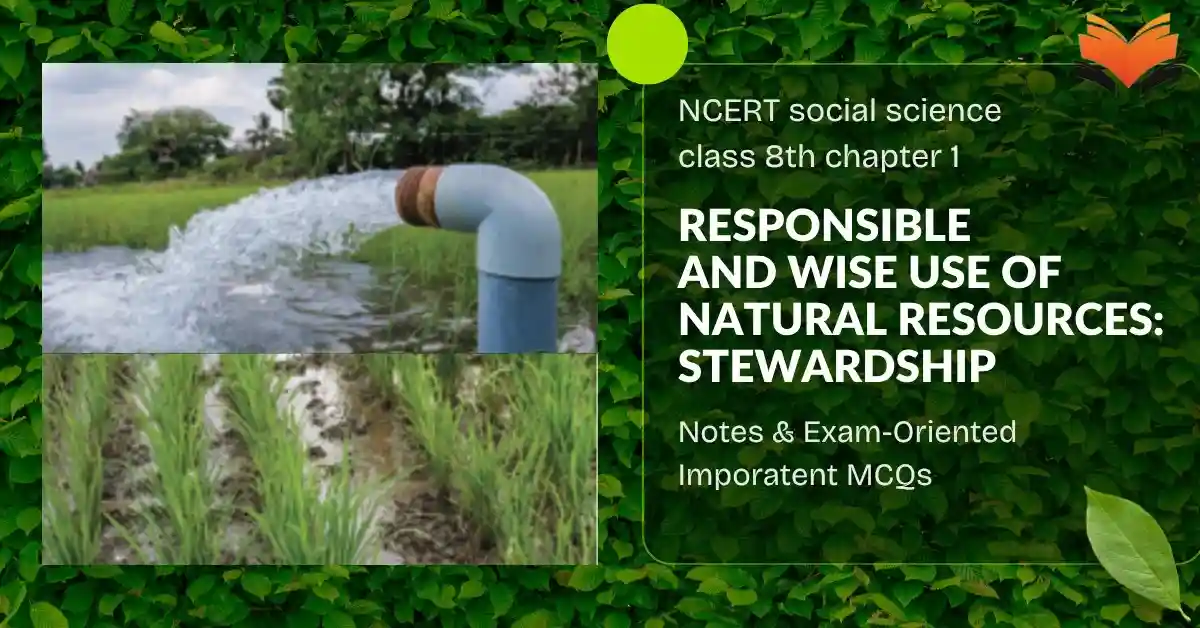
Responsible use of natural resources means using them wisely while allowing renewable resources to restore and regenerate and using non-renewable resources judiciously. Overexploitation of groundwater, excessive use of chemical fertilisers and pesticides, and industrial pollution can cause resource depletion, soil degradation, health hazards and environmental damage. The groundwater crisis in Punjab highlights the dangers of unsustainable farming, while organic farming in Sikkim shows how sustainable practices can benefit both people and Nature. Traditional knowledge, modern technology, renewable energy and recycling can help conserve resources. We must act as stewards of Nature by promoting restoration, regeneration and sustainability for the well-being of present and future generations.
We have discussed in-depth and exam-oriented pointers that can be asked in the board exam of class 8th about “Responsible and Wise Use of Natural Resources: Stewardship“ from the NCERT social science for class 8th chapter 1 “Natural Resources and Their Use “.
Responsible and Wise Use of Natural Resources: Stewardship
1. Meaning and Importance of Stewardship:
- Sustaining life on Earth requires us to respect Nature.
- Natural resources should be used in a responsible and wise manner.
- The use of natural resources should ensure:
- Restoration and regeneration of renewable resources.
- Responsible and judicious use of non-renewable resources.
2. Consequences of Irresponsible Use of Natural Resources:
- Scientists studying natural resources have warned that their irresponsible treatment has caused:
- Pollution
- Biodiversity loss
- Climate change
- Climate change has been occurring at an increased pace in recent years.
3. Key Idea:
- Responsible stewardship of natural resources is essential for sustaining life on Earth and protecting Nature from the harmful effects of their irresponsible use.
Restoration and Regeneration of Renewable Resources
1. Overuse of Renewable Resources:
- Humans are using some natural resources beyond their capacity to regenerate.
- Two major examples are:
- Groundwater depletion
- Soil degradation
2. Groundwater Depletion:
- Many farmers in India extract groundwater for irrigation.
- In most states, the rate of groundwater extraction is greater than the rate at which the water table is replenished.
- Over time, this creates a deficit in groundwater.
- The growing deficit leads to:
- A higher cost of groundwater extraction.
- Eventually, unavailability of groundwater.
- It has been predicted that many growing cities in India will soon run out of groundwater.
3. Measures to Restore Groundwater:
- Initiatives have been launched to raise groundwater levels.
- Some strategies include:
- Traditional water harvesting
- Rejuvenation of ponds and tanks
- Reducing wasteful consumption of water
- Processing and reusing water
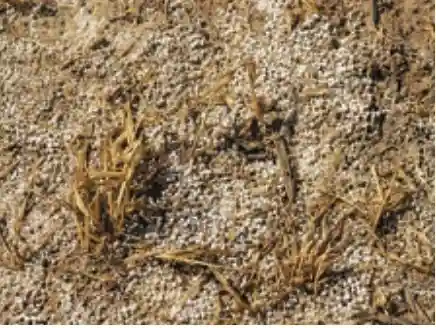
4. Soil Degradation:
- The improper use of chemical fertilisers and pesticides has led to soil degradation.
- Traditional farming practices considered soil as part of Mother Earth.
5. Traditional Practices for Soil Management:
- Traditional farming practices included:
- Use of cow dung and other natural fertilisers
- Mulching
- Multi-cropping
- These practices enabled holistic soil management.
6. Need for Soil Restoration:
- We must learn from traditional farming practices and apply them in the present situation.
- These practices can help prevent further soil degradation.
- There is a need to replenish and rejuvenate the soil.
Overexploitation of Groundwater: A Caselet from Punjab

1. Groundwater Crisis in Punjab:
- A serious groundwater crisis has developed in the fertile plains of Punjab.
- Punjab’s groundwater resources have been severely depleted.
- Punjab was the home of the Green Revolution, which:
- Fed a large proportion of India’s population.
- Helped India become self-sufficient in food.
- Today, Punjab faces sustainability issues because Nature has been exploited beyond its capacity for regeneration, at least in the short term.
- The problem is not limited to Punjab and affects many other states as well.
2. Shift to High-Yielding Varieties:
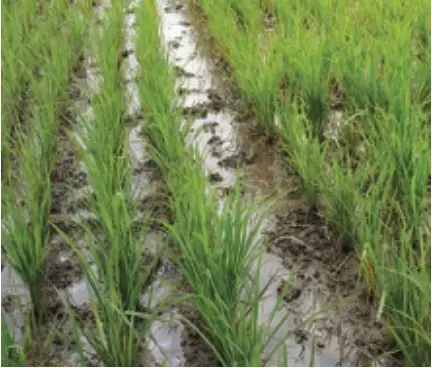
- In the 1960s, farmers shifted to high-yielding varieties of wheat and paddy.
- These varieties required more water than traditional seeds.
- To meet the increased water requirement, farmers began to extract groundwater.
3. Role of Free Power Supply:
- The supply of free power encouraged the over-pumping of groundwater.
- This situation is still prevalent in much of India today.
4. Use of Chemical Pesticides and Fertilisers:
- Modern farming techniques required the use of:
- Chemical pesticides
- Chemical fertilisers
- The combined effect of increased groundwater extraction and chemical use created serious environmental problems.
5. Effects on Groundwater:
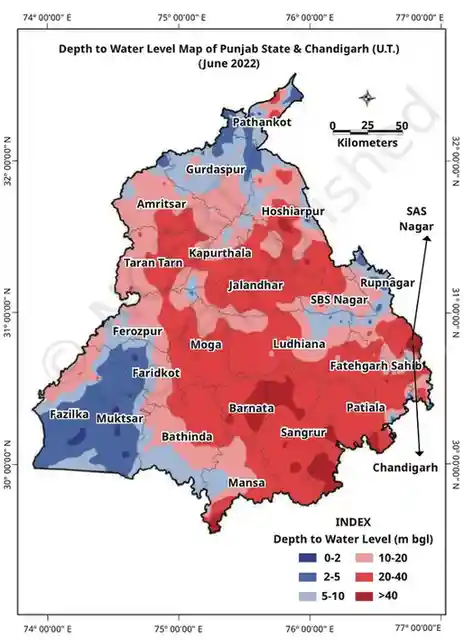
- In a large part of Punjab, the groundwater level has become inaccessible until depths of about 30 metres.
- Chemicals from pesticides and fertilisers have dissolved in groundwater.
- This has caused health hazards.
6. Extent of Groundwater Overexploitation:
- Almost 80% of Punjab’s area has been classified as over-exploited.
- Over-exploitation means that water has been extracted at a rate much greater than the rate at which groundwater can be restored and rejuvenated.
7. Short-term Benefits and Long-term Consequences:
- The use of groundwater and modern farming methods helped ensure food security in the short term.
- However, the long-term consequences of overexploitation will require time and effort to heal.
- The case of Punjab shows the conflict between short-term food security and long-term sustainability of natural resources.

The Case of Cement

1. Importance of Cement:
- Cement is essential for modern life.
- It is required for constructing:
- Houses
- Schools
- Hospitals
- Other buildings
- Bridges
- Roads
- Airports
2. Cement Production and Pollution:
- Cement production is listed as one of the most polluting industries.
- The production process releases fine dust.
- This fine dust:
- Enters the lungs of humans and animals and damages them.
- Settles on plant leaves and decreases their yields.
- Causes soil pollution.
- Causes water pollution.
3. Measures to Reduce Pollution from Cement Production:
- The Central Pollution Control Board has created guidelines for cement factories.
- These guidelines aim to ensure that pollution is minimised or eliminated.
- There is also a move towards developing alternative materials that reduce pollution.
4. Alternative Materials to Cement:
- Alternatives include:
- Traditional materials such as stone and mud.
- New plant-based materials.
- Recycled materials from waste plastic.
5. Sustainable Building Materials:
- Traditional materials and methods are being combined with modern technological advances.
- This combination is used to create new sustainable materials.
- Sustainable production:
- Is less polluting.
- Provides local employment.
- Is designed according to the climate of the place.
6. Vṛikṣhāyurveda: Ancient Indian Botanical Science:
a. Meaning and Origin:
- Vṛikṣhāyurveda is an ancient Indian botanical science focused on the study and care of plants and trees.
- The term comes from Sanskrit:
- Vṛikṣha means tree.
- Ayurveda means the science of life or health.
- This traditional knowledge system dates back several millennia.
- It was formalised in texts such as Surapala’s Vṛikṣhāyurveda around the 10th century CE.
b. Selection of Plants and Soil:
- Vṛikṣhāyurveda provides recommendations about specific plants suitable for different soil types.
- It describes detailed methods for:
- Seed collection
- Seed preservation
- Pre-planting treatments
c. Irrigation Techniques:
- Vṛikṣhāyurveda provides detailed descriptions of irrigation techniques.
- Irrigation recommendations vary according to:
- Plant species
- Growth stage
- Seasonal conditions
d. Natural Pest Management:
- It specifies pest management strategies using:
- Natural repellents
- Plants that should be grown together
e. Sustainable Agricultural Practices:
- Vṛikṣhāyurveda promotes sustainable agricultural practices such as:
- Crop rotation
- Mixed cropping
- These practices help to maintain soil health.
f. Soil Management:
- Vṛikṣhāyurveda provides advice on proper methods of ploughing soil.
- Proper ploughing helps:
- Retain soil moisture.
- Facilitate the growth of living organisms in the soil.
- These organisms include:
- Fungi
- Bacteria
- Earthworms
A Caselet from Sikkim
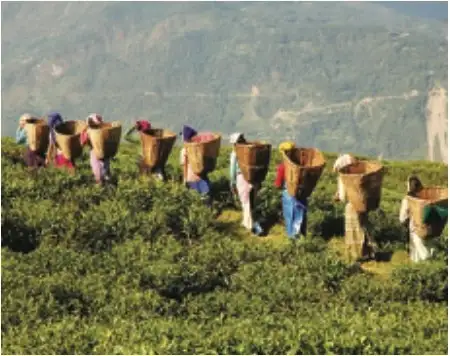
1. Shift Towards Organic Farming:
- Pema’s family farm in Sikkim faced:
- Declining yields
- Mounting debts due to expensive chemical inputs.
- When the state government announced a policy to promote organic farming throughout the state, Pema’s family decided to adopt it.
2. Challenges During the Transition:
- The transition to organic farming was not easy.
- Initially, crop yields dropped because the soil was recovering from years of chemical use.
3. Organic Farming Practices Adopted:
- The family switched to compost.
- They prepared natural pest repellents using:
- Neem
- Garlic
- They started growing multiple crops throughout the year.
4. Results After Five Years:
- After about five years, Pema’s farm became successful and thriving.
- She was able to sell:
- Cardamom
- Ginger
- Traditional vegetables
- These products were sold at premium prices.
5. Sikkim Becomes a Fully Organic State:
- In 2016, Sikkim became a 100 per cent organic state.
- All farmland in Sikkim became certified organic.
6. Environmental and Economic Benefits:
- Local biodiversity flourished.
- Beneficial insects and birds returned.
- Tourism increased as visitors came to see Sikkim’s organic farming model.
- Farmers’ incomes increased by 20 per cent on average.
7. Sikkim as a Global Model:
- Sikkim serves as a global model of sustainable agriculture.
- It demonstrates that an entire region can successfully transition to sustainable agricultural practices.
- The transition can improve both:
- Ecological outcomes
- Economic outcomes
Responsible and Judicious Use of Resources
1. Judicious Use of Non-renewable Resources:
- Non-renewable resources should be used in a way that allows them to last long enough for humanity to find more sustainable alternatives.
- There is a need to switch to renewable sources of energy for as many purposes as possible.
2. Unequal Distribution and Access to Resources:
- The distribution and access to natural resources are often unfair to some sections of society.
- This inequality also affects access to basic resources such as:
- Water
- Clean air
3. Unequal Access to Drinking Water:
- In cities, many areas do not receive an adequate and regular supply of drinking water.
4. Impact of Air Pollution:
- Industrial pollution and the excessive use of fossil fuels cause air pollution.
- Air pollution particularly affects people who are unable to protect themselves from these hazards.
5. Humans as Stewards of Natural Resources:
- We must remember our relationship with Nature.
- Humans should act as stewards of natural resources.
- Stewardship should focus on:
- Restoration
- Regeneration
- Sustainability
6. Lokasangraha:
- The Bhagavad Gītā refers to the idea of lokasangraha.
- Lokasangraha means that everyone should transcend personal desires and act for the wellbeing of all.

7. International Solar Alliance: India’s Leadership in Renewable Energy:
- Formation and Purpose:
- India and France launched the International Alliance for Solar Energy (IASE) in 2015.
- It is a coalition of sunshine-rich countries committed to harnessing solar power.
- The alliance focuses on countries that have abundant sunlight throughout the year.
- India’s Contribution:
- India has helped channel billions of dollars into solar projects across developing nations.
- India contributes by:
- Sharing technical expertise.
- Creating affordable financing options.
- Bhadla Solar Park:
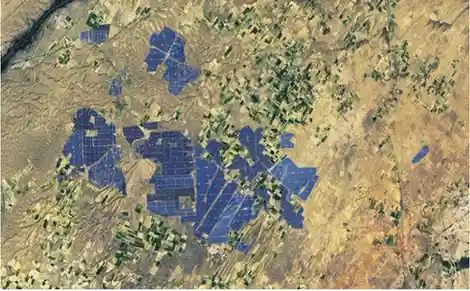
- The Bhadla Solar Park is a symbol of India’s solar ambitions.
- It demonstrates how a country can transition from traditional energy sources to renewable alternatives.
- Importance for India:
- The alliance represents:
- Environmental responsibility
- Economic opportunity
- The alliance represents:
Key Takeaways: Natural Resources
1. Definition of Natural Resources:
- Natural resources are materials and substances that occur in Nature and are valuable to humans.
2. Categories of Resources:
- Natural resources can be categorised in different ways.
- Renewable and non-renewable resources are useful categories.
3. Overcoming the Resource Curse:
- The resource curse can be overcome through investments in the development of:
- Technology
- Skills
4. Wise Use of Renewable Resources:
- We need to remain vigilant about the rate at which renewable resources are used.
- Renewable resources should not be overexploited.
5. Wise Use of Non-renewable Resources:
- Judicious and wise use of non-renewable resources can help stretch their use for a longer period of time.
Exam & Revision Summary: Responsible and Wise Use of Natural Resources: Stewardship
Stewardship of natural resources means respecting Nature and using resources responsibly so that renewable resources can restore and regenerate, while non-renewable resources are used carefully and judiciously. Irresponsible exploitation of natural resources has contributed to major environmental problems such as pollution, biodiversity loss and climate change. Therefore, sustainable development requires a balance between human needs and the capacity of Nature to recover.
Restoration and Regeneration of Renewable Resources
Renewable resources can replenish themselves, but only when they are used at a rate that does not exceed their natural capacity for restoration and regeneration.
Groundwater depletion is a major example. In many parts of India, farmers extract groundwater for irrigation faster than it can naturally be replenished. This causes the water table to fall, increases the cost of extraction and may eventually make groundwater unavailable. To address this problem, measures such as rainwater harvesting, rejuvenation of ponds and tanks, reducing wasteful water use, and treating and reusing water are important.
Similarly, excessive use of chemical fertilisers and pesticides causes soil degradation. Traditional Indian farming practices used cow dung and natural fertilisers, mulching and multi-cropping to maintain soil health. Such traditional knowledge can be combined with modern methods to replenish and rejuvenate degraded soils.
Overexploitation of Groundwater: Punjab
Punjab is an important example of the consequences of overusing renewable resources. The state played a major role in the Green Revolution, which increased food production and helped India achieve food security. However, the shift to high-yielding varieties of wheat and paddy increased the demand for water. Farmers increasingly relied on groundwater extraction, while free electricity encouraged excessive pumping.
The extensive use of chemical fertilisers and pesticides created additional environmental and health problems. Groundwater levels in large parts of Punjab have fallen significantly, and harmful chemicals have entered groundwater.
Around 80% of Punjab’s area has been classified as over-exploited, meaning groundwater is being extracted faster than it can be restored. This case shows that short-term food security and agricultural growth can create serious long-term sustainability challenges if natural resources are exploited beyond their regenerative capacity.
The Case of Cement
Cement is essential for constructing houses, schools, hospitals, bridges, roads and airports, but its production is highly polluting. Cement manufacturing releases fine dust that can harm the health of humans and animals, reduce plant productivity and contribute to soil and water pollution.
To reduce these impacts, pollution-control guidelines have been introduced for cement industries. There is also growing interest in alternative building materials, including stone, mud, plant-based materials and recycled waste materials.
A sustainable approach combines traditional building knowledge with modern technology. Such methods can reduce pollution, create local employment and use materials suited to the local climate.
Vṛikṣhāyurveda and Traditional Knowledge
Vṛikṣhāyurveda is an ancient Indian system of botanical knowledge concerned with the care and cultivation of plants and trees. It provides detailed guidance on:
- Selecting plants according to different soil types.
- Collecting and preserving seeds.
- Treating seeds before planting.
- Using suitable irrigation methods according to plant species and seasons.
- Managing pests through natural methods.
- Practising crop rotation and mixed cropping.
- Maintaining soil moisture and supporting beneficial organisms such as fungi, bacteria and earthworms.
This traditional knowledge demonstrates how sustainable agricultural practices can protect soil health, biodiversity and long-term productivity.
A Caselet from Sikkim
Sikkim provides an important example of sustainable and organic farming. Farmers facing declining yields and increasing costs of chemical inputs shifted towards organic methods after the state government promoted organic farming.
Farmers began using compost, natural pest repellents made from neem and garlic, and multiple crops. Although yields initially declined while the soil recovered from chemical use, the farms became productive and sustainable over time.
In 2016, Sikkim became a 100% organic state. The transition helped improve biodiversity, encouraged the return of beneficial insects and birds, supported tourism and increased farmers’ incomes. Sikkim demonstrates that sustainable agriculture can provide both ecological and economic benefits when properly planned and implemented.
Responsible and Judicious Use of Non-Renewable Resources
Non-renewable resources such as coal and petroleum take millions of years to form and cannot be replenished at the rate at which humans consume them. Therefore, they must be used wisely and efficiently so that they last long enough for sustainable alternatives to become widely available.
A major solution is to shift from fossil fuels towards renewable sources of energy, such as solar and wind power. This can reduce dependence on limited resources and help control pollution and climate change.
Resource management must also consider fair access. Not everyone benefits equally from natural resources. For example, some urban communities do not receive adequate drinking water, while air pollution from industries and fossil fuels often affects vulnerable sections of society more severely.
International Solar Alliance
The International Solar Alliance, launched by India and France in 2015, promotes the use of solar energy among countries with abundant sunlight. India has supported solar projects, shared technical knowledge and promoted affordable financing for renewable energy.
The Bhadla Solar Park represents India’s efforts to expand solar energy and move towards cleaner alternatives. Solar energy provides both environmental benefits and economic opportunities by reducing dependence on conventional energy sources.
Key Takeaway
Natural resources are valuable but limited, and their responsible use is essential for the future of life on Earth. Renewable resources must be used at a rate that allows Nature to restore and regenerate them, while non-renewable resources must be conserved and used judiciously. Examples such as groundwater depletion in Punjab, organic farming in Sikkim, Vṛikṣhāyurveda and the growth of solar energy show the importance of combining traditional knowledge, modern technology, sustainable practices and good governance.
The central idea of stewardship is that humans should act as responsible caretakers of Nature. Sustainable development requires us to think beyond personal and short-term interests and work towards the well-being of society, future generations and the natural environment. The concept of lokasangraha in the Bhagavad Gītā reflects this idea of acting for the welfare of all.
Quick Revision Points
- Stewardship: Responsible care and wise use of natural resources.
- Renewable resources: Must be used without exceeding their natural capacity to regenerate.
- Groundwater crisis: Caused by excessive extraction and inadequate replenishment.
- Punjab: Example of groundwater overexploitation linked to intensive agriculture and the Green Revolution.
- Soil degradation: Caused partly by excessive use of chemical fertilisers and pesticides.
- Sustainable farming: Includes composting, natural fertilisers, mulching, multi-cropping and crop rotation.
- Cement industry: Causes air, soil and water pollution; alternative sustainable materials can reduce its impact.
- Vṛikṣhāyurveda: Ancient Indian botanical knowledge supporting sustainable plant cultivation and soil management.
- Sikkim: Became a 100% organic state in 2016 and demonstrated the ecological and economic benefits of organic farming.
- Non-renewable resources: Should be used judiciously and conserved for the future.
- Renewable energy: Solar and wind energy can reduce dependence on fossil fuels.
- International Solar Alliance: Promotes global cooperation in solar energy.
- Main principle: Use natural resources wisely today so that they remain available for future generations.
MCQs on NCERT Social Science Class 8 Chapter 1 Topic – Responsible and Wise Use of Natural Resources: Stewardship
Here are the top exam-oriented MCQ-type questions on “Responsible and Wise Use of Natural Resources: Stewardship” that you should prepare for your CBSE or state board exams:
Question 1. What is meant by stewardship of natural resources?
A. Using natural resources without restrictions
B. Respecting Nature and using resources responsibly to ensure restoration, regeneration and sustainability
C. Using only non-renewable resources
D. Stopping all human use of natural resources
Answer: B. Respecting Nature and using resources responsibly to ensure restoration, regeneration and sustainability
Question 2. What are some major consequences of irresponsible treatment of natural resources?
A. Increased biodiversity and cleaner air
B. Pollution, biodiversity loss and climate change
C. Increased groundwater levels
D. Restoration of ecosystems
Answer: B. Pollution, biodiversity loss and climate change
Question 3. Why is excessive extraction of groundwater a serious concern?
A. The rate of groundwater extraction can exceed the rate at which the water table is replenished
B. Groundwater cannot be used for irrigation
C. Groundwater is a non-renewable resource
D. It always increases the water table
Answer: A. The rate of groundwater extraction can exceed the rate at which the water table is replenished
Question 4. Which of the following is a strategy for restoring and conserving groundwater?
A. Increasing wasteful consumption of water
B. Water harvesting and rejuvenation of ponds and tanks
C. Increasing groundwater extraction
D. Using more chemical fertilisers
Answer: B. Water harvesting and rejuvenation of ponds and tanks
Question 5. Which traditional practices can help in maintaining soil health?
A. Excessive use of chemical fertilisers and pesticides
B. Use of natural fertilisers, mulching and multi-cropping
C. Intensive monocropping only
D. Excessive irrigation
Answer: B. Use of natural fertilisers, mulching and multi-cropping
Question 6. Why did farmers in Punjab increasingly extract groundwater after the introduction of high-yielding varieties of wheat and paddy?
A. These varieties required more water than traditional seeds
B. These varieties required no water
C. Groundwater was not available earlier
D. Farmers wanted to reduce food production
Answer: A. These varieties required more water than traditional seeds
Question 7. Which combination of factors contributed to the overexploitation of groundwater in Punjab?
A. High-yielding crops, free power and increased use of chemical inputs
B. Organic farming, crop rotation and rainwater harvesting
C. Afforestation and sustainable irrigation
D. Traditional seeds and natural fertilisers
Answer: A. High-yielding crops, free power and increased use of chemical inputs
Question 8. Approximately what percentage of Punjab’s area has been classified as ‘over-exploited’ in terms of groundwater?
A. 20%
B. 40%
C. 60%
D. 80%
Answer: D. 80%
Question 9. What is one major health hazard caused by pesticides and fertilisers in Punjab?
A. They increase the oxygen level of groundwater
B. Their chemicals can dissolve into groundwater and cause health hazards
C. They improve the quality of drinking water
D. They increase groundwater recharge
Answer: B. Their chemicals can dissolve into groundwater and cause health hazards
Question 10. Why is cement production considered a major environmental concern?
A. It releases fine dust and contributes to air, soil and water pollution
B. It requires no natural resources
C. It improves soil fertility
D. It reduces pollution in cities
Answer: A. It releases fine dust and contributes to air, soil and water pollution
Question 11. Which of the following is an alternative material that can help reduce pollution associated with cement?
A. Only fossil fuels
B. Stone, mud, plant-based materials and recycled materials from waste plastic
C. More chemical fertilisers
D. More cement
Answer: B. Stone, mud, plant-based materials and recycled materials from waste plastic
Question 12. What is Vṛikṣhāyurveda?
A. An ancient Indian science focused on the study and care of plants and trees
B. A modern method of industrial production
C. A system of mining minerals
D. A method of producing cement
Answer: A. An ancient Indian science focused on the study and care of plants and trees
Question 13. Which of the following sustainable agricultural practices is associated with Vṛikṣhāyurveda?
A. Excessive use of chemical pesticides
B. Crop rotation and mixed cropping
C. Overuse of groundwater
D. Clearing forests for agriculture
Answer: B. Crop rotation and mixed cropping
Question 14. What was the major change adopted by Pema’s family in Sikkim to make their farm sustainable?
A. They increased the use of chemical fertilisers
B. They switched to compost, natural pest repellents and multiple crops
C. They stopped farming completely
D. They depended entirely on groundwater
Answer: B. They switched to compost, natural pest repellents and multiple crops
Question 15. What significant achievement did Sikkim accomplish in 2016?
A. It became India’s largest coal-producing state
B. It became a 100 per cent organic state with all its farmland certified organic
C. It stopped all agricultural activities
D. It became completely dependent on chemical farming
Answer: B. It became a 100 per cent organic state with all its farmland certified organic
Question 16. How should non-renewable resources be used responsibly?
A. They should be used as quickly as possible
B. They should be used judiciously so they last until more sustainable alternatives become widely available
C. They should never be used
D. They should be exported without restriction
Answer: B. They should be used judiciously so they last until more sustainable alternatives become widely available
Question 17. What does lokasangraha, as referred to in the Bhagavad Gītā, mean in the context of the passage?
A. Acting only for personal benefit
B. Transcending personal desires and acting for the wellbeing of all
C. Using resources without limits
D. Avoiding all forms of development
Answer: B. Transcending personal desires and acting for the wellbeing of all
Question 18. What is the main message of responsible and judicious use of natural resources?
A. Renewable resources should be overexploited and non-renewables ignored
B. Renewable resources should be used at a rate that allows their regeneration, while non-renewables should be used wisely and sustainably
C. All natural resources should be completely stopped from being used
D. Only economic development should be prioritised
Answer: B. Renewable resources should be used at a rate that allows their regeneration, while non-renewables should be used wisely and sustainably
Next & Previous Topics of NCERT/CBSE Social Science Class 8 Chapter 1: Natural Resources and Their Use
FAQs on Responsible and Wise Use of Natural Resources: Stewardship Class 8 Social Science
1. What is meant by responsible and wise use of natural resources?
Answer: Responsible and wise use of natural resources means respecting Nature and using resources in a way that allows renewable resources to be restored and regenerated. Non-renewable resources should be used responsibly and judiciously so that they last long enough for humanity to find more sustainable alternatives.
2. Why is it important to use natural resources responsibly?
Answer: It is important because irresponsible treatment of natural resources has led to pollution, biodiversity loss and climate change. We need to use resources wisely to ensure restoration, regeneration and sustainability and to sustain life on Earth.
3. What are the causes and effects of overexploitation of groundwater?
Answer: Groundwater is overexploited when it is extracted at a rate greater than the rate at which it is replenished. This leads to falling groundwater levels, higher extraction costs and, eventually, the unavailability of groundwater. Many growing cities are also predicted to run out of groundwater soon.
4. Explain the case of overexploitation of groundwater in Punjab.
Answer: In the 1960s, farmers in Punjab shifted to high-yielding varieties of wheat and paddy that required more water. Groundwater extraction increased, and the supply of free power encouraged over-pumping. The use of chemical fertilisers and pesticides added to the problem. As a result, groundwater levels declined severely, and chemicals from pesticides and fertilisers dissolved into groundwater, causing health hazards. Almost 80% of Punjab’s area has been classified as over-exploited.
5. What measures can be taken to conserve and restore groundwater resources?
Answer: Groundwater can be conserved and restored through traditional practices such as water harvesting and rejuvenation of ponds and tanks. Reducing wasteful consumption of water and processing and reusing water are also important strategies for raising groundwater levels and preventing further depletion.
6. How can soil degradation be prevented and soil fertility restored?
Answer: Soil degradation can be prevented by reducing the improper use of chemical fertilisers and pesticides and adopting traditional practices such as using cow dung and other natural fertilisers, mulching and multi-cropping. These practices help in holistic soil management and the replenishment and rejuvenation of soil.
7. Why is cement production considered harmful to the environment? What are the alternatives?
Answer: Cement production is one of the most polluting industries. It releases fine dust that damages the lungs of humans and animals, reduces plant yields and causes soil and water pollution. Alternatives include traditional materials such as stone and mud, plant-based materials and recycled materials from waste plastic. Traditional methods can also be combined with modern technology to create less-polluting and sustainable materials.
8. What is Vṛikṣhāyurveda? How does it promote sustainable agriculture?
Answer: Vṛikṣhāyurveda is an ancient Indian botanical science focused on the study and care of plants and trees. It promotes sustainable agriculture through practices such as selecting plants according to soil type, proper seed preservation, suitable irrigation, natural pest management, crop rotation, mixed cropping and proper ploughing. These methods help maintain soil health, retain soil moisture and support organisms such as fungi, bacteria and earthworms.
9. How did Sikkim become a model of sustainable agriculture?
Answer: Sikkim promoted organic farming throughout the state. Farmers replaced chemical inputs with compost and natural pest repellents such as neem and garlic and adopted multiple cropping. In 2016, Sikkim became a 100 per cent organic state. This helped local biodiversity flourish, increased tourism and improved farmers’ incomes, showing that sustainable farming can provide both ecological and economic benefits.
10. What is meant by the responsible and judicious use of non-renewable resources?
Answer: Responsible and judicious use of non-renewable resources means using them carefully so that they last long enough for humanity to find more sustainable alternatives. We should also switch to renewable sources of energy for as many purposes as possible. This helps conserve non-renewable resources for a longer period and supports sustainability.