
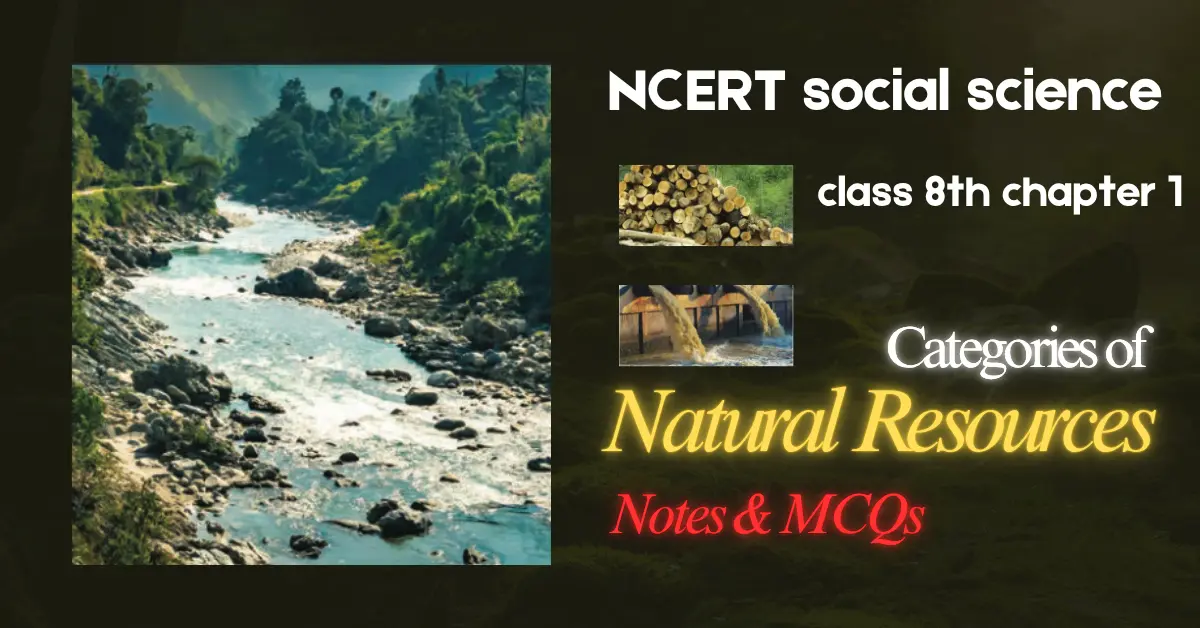
Natural resources can be categorised based on their uses and their ability to renew. Based on uses, they are grouped into resources essential for life such as air, water, and food; resources for materials such as wood, marble, coal, and gold; and resources for energy such as coal, petroleum, natural gas, sunlight, wind, and flowing water.
Based on renewability, natural resources are divided into renewable and non-renewable resources. Renewable resources like sunlight, wind, forests, and flowing water can naturally restore and regenerate if used sustainably. Non-renewable resources like coal, petroleum, minerals, and metals take very long periods to form and cannot be replenished at the rate humans consume them. Therefore, natural resources must be used responsibly to maintain Nature’s cycles.
We have discussed in-depth and exam-oriented pointers that can be asked in the board exam of class 8th about “Categories of Natural Resources“ from the NCERT social science for class 8th chapter 1 “Natural Resources and Their Use “.
Categories of Natural Resources
1. Importance of Categorisation:
- Categorisation and naming help us understand the usefulness of different ideas or things.
- Categories are created using shared characteristics or criteria.
- Categories are given names so that we can refer to them using one word or a short phrase.
- When names and meanings are shared among groups of people, it becomes easier to:
- Discuss a set of ideas or things.
- Communicate more effectively.
- Living and non-living things are examples of simple categories studied in earlier classes.
- Natural resources can also be divided into different categories.
2. Categorisation of Natural Resources Based on Uses:
- Natural resources can be categorised according to the uses we put them to.
- Resources Essential for Our Life:
- Natural resources that are essential for our life form one category.
- Sources for Materials:
- Natural resources that act as sources for materials form another category.
- Sources for Energy:
- Natural resources that serve as sources for energy form another category.
- Resources Essential for Our Life:
Resources Essential for Life
- Life on Earth could not exist without certain essential resources.
- The air we breathe is essential for life.
- The water we drink is essential for life.
- The food we eat is essential for life.
- We obtain these resources from different parts of Nature:
- Air from the atmosphere.
- Water from rivers and ponds.
- Food through the cultivation of soil or from other living things.
- Humans cannot make:
- The air we breathe.
- The water we drink.
- The soil that provides us with food.
Resources for Materials
- Human beings create physical objects from Nature’s gifts.
- These objects are made:
- For our utility.
- To create things of beauty that enrich our lives and those of others.
- A piece of wood can be:
- Transformed into a chair for utility.
- Carved into a statuette to create something beautiful.
- India’s geographical diversity provides a wide variety of natural resources.
- Examples of natural resources found in India include:
- Wood
- Marble
- Coal
- Gold
Resources for Energy
- Energy is a cornerstone of modern living.
- Electricity is used for:
- Buildings
- Transportation
- Production processes of all types
- Energy can come from diverse natural sources.
- Major natural sources of energy include:
- Coal
- Water
- Petroleum
- Natural gas
- Sunlight
- Wind
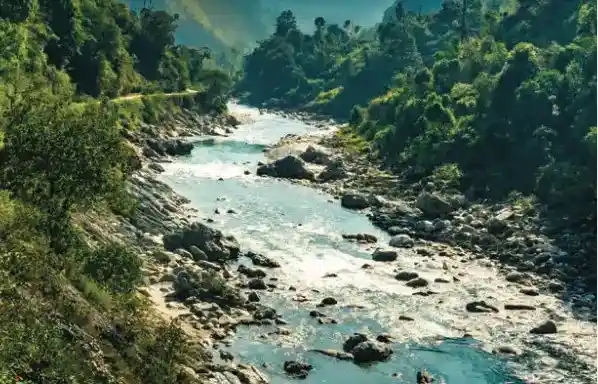
Renewable and Non-renewable Resources
1. Basis of Categorisation:
- Natural resources can be categorised based on whether they are renewable or non-renewable.
- This classification is based on the ability of resources to be renewed or regenerated.
2. Nature’s Restorative and Regenerative Processes:
- A general principle of Nature is that it functions in a restorative and regenerative way.
- Restoration is the process of returning something to its original healthy state after it has been degraded or damaged.
- Nature heals, renews and maintains itself over time.
- Example: A cut on the skin normally heals.
- Example: A forest can recover after a wildfire.
3. Meaning of Regeneration:
- Regeneration goes beyond restoration.
- It refers to Nature’s ability to:
- Create new life.
- Create conditions necessary for thriving.
4. Restoration of Ecosystems:
- Humans may plant trees in areas where forests have been lost due to human activities such as clearing forests for housing.
- Planting the same types of trees that originally grew in the area helps restore the ecosystem.
- These trees provide food and shelter for birds, squirrels and other creatures.
- This enables life to return to the area.
5. Nature’s Natural Cycles:
- Nature works in cycles where there is no waste.
- In a forest, when a tree falls:
- It decomposes.
- Bacteria, fungi and insects feed on it.
- The decomposed tree becomes part of the soil and enriches it.
- New trees and plants grow from seeds.
- Eventually, some of these trees also fall and the cycle begins again.
6. Key Idea:
- The processes of restoration and regeneration demonstrate Nature’s ability to heal, renew, create new life and maintain ecosystems.
Renewable Resources
1. Meaning and Characteristics of Renewable Resources:
- Renewable resources exhibit the characteristics of Nature’s restoration and regeneration over time.
- Most of India receives abundant sunshine.
- In the natural course:
- Rivers are regularly fed by rain and melting glaciers.
- Forests renew themselves.
- Soil replenishes itself through natural processes.
2. Examples of Renewable Resources:
- Solar energy
- Wind energy
- Energy from flowing water
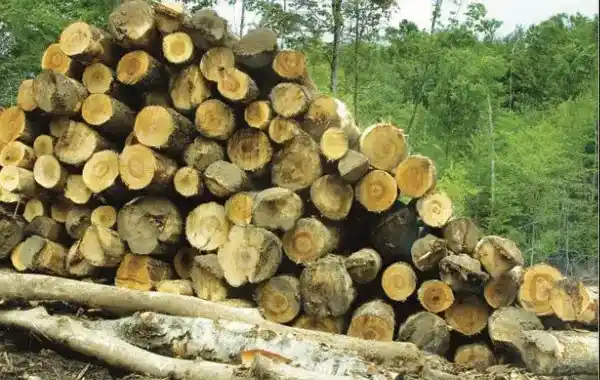
- Timber from forests
3. Condition for Resources to Remain Renewable:
- Renewable resources remain renewable only when they are managed in a sustainable manner.
- The natural rhythm of restoration and regeneration must not be disturbed.
- If timber is harvested faster than forests can grow new trees, the forest will eventually be depleted.
4. Human Activities and Disturbance of Nature’s Cycles:
- Scientists have shown that irresponsible human actions have disturbed many of Nature’s cycles.
- Several interacting factors have contributed to this disturbance.
- Two important factors are:
- Fossil fuel-driven industrialisation
- Cutting down of forests for agriculture and other purposes
- These factors have contributed to rising temperatures.
5. Impact on Himalayan Glaciers:
- Rising temperatures are causing glaciers in some parts of the Himalayas to melt faster than precipitation can replace them.
- This has implications for water security.
- Populations living in the plains depend on the Himalayan glaciers as a water tower.
6. Industrial Waste and Water Pollution:
- Industries are needed to produce the goods we consume.
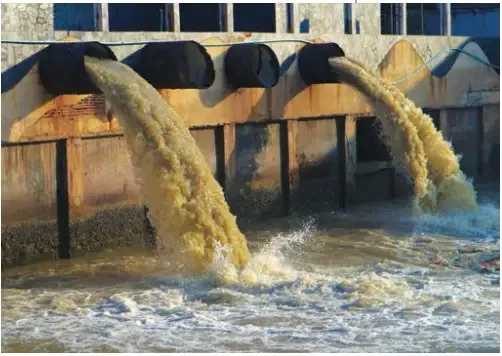
- Industrial processes also create waste.
- Such waste is frequently discharged into rivers and other water bodies.
- Some industrial wastes cannot decay and become food for other forms of life.
- This disturbs Nature’s cycle of restoration and regeneration.
- As a result:
- Rivers can become poisonous.
- Rivers may become unable to support life.
7. Traditional Fishing Practices and Overfishing:
- Traditionally, communities regulated fishing or refrained from fishing during the spawning season.
- This practice helped maintain the fish population.
- The commercialisation of fishing resulted in over-fishing.
- In the case of tuna, rapid and extensive decline in its population led to agreements to control fishing.
- Tuna is important for maintaining the balance of the ocean ecosystem.
- Tuna helps maintain this balance by consuming smaller fish, shrimps and other organisms.
- Despite control measures, the tuna population continues to decline.
8. Ecosystem Functions:
- Nature has inherent ways of working.
- Natural processes that occur within ecosystems are called ecosystem functions.
- Example: Trees naturally produce oxygen.
- A forest naturally:
- Filters water
- Prevents soil erosion
- Provides habitat for animals
9. Ecosystem Services:
- When natural processes benefit humans, they are called ecosystem services.
- Examples include:
- Clean water resulting from natural water filtration.
- Protected farmland resulting from prevention of soil erosion.
- Pollinated crops resulting from natural ecosystem processes.
10. Oxygen Produced by Trees and Human Requirement:
- A mature tree produces about 275 litres of oxygen per day.
- A human being needs about 350 litres of oxygen every day.
- The amount of oxygen a person needs can vary depending on:
- The type of activity.
- The person’s height.
- The person’s weight.
Non-renewable Resources
1. Meaning and Characteristics:
- Non-renewable resources are created over long periods of time.
- They cannot be replenished at the rate at which humans use them.
- Their availability is therefore limited.
2. Examples of Non-renewable Resources:
- Fossil fuels:
- Coal
- Petroleum
- Minerals and metals:
- Iron
- Copper
- Gold
3. Coal Reserves in India:
- India has significant quantities of coal reserves.
- Coal is mined to meet the country’s growing energy needs.
- It is estimated that India’s coal reserves may last for another 50 years.
4. Increasing Demand for Electricity:
- The demand for electricity has been increasing because:
- The population is expanding.
- Development work is accelerating.
5. Need for Judicious Use of Coal:
- More sustainable options need to become widely available.
- Until then, the available coal must be used judiciously.
- The limited nature of coal reserves makes its careful and responsible use important.
Categories of Natural Resources – Exam & Revision Summary
Natural resources can be categorised using common characteristics. One way is based on their uses, while another is based on whether they can be renewed or replenished.
- Resources Essential for Life: Air, water, and food are essential for life. We obtain them from the atmosphere, rivers, ponds, soil, and other living organisms. Humans cannot manufacture the natural air, water, or soil required to sustain life.
- Resources for Materials: Humans use materials provided by Nature to make useful objects and things of beauty. For example, wood can be made into furniture or carved into statues. India’s geographical diversity provides resources such as wood, marble, coal, and gold.
- Resources for Energy: Energy is essential for electricity, transportation, industries, and production. Natural sources of energy include coal, petroleum, natural gas, flowing water, sunlight, and wind.
- Renewable and Non-renewable Resources: Natural resources can also be divided into renewable and non-renewable resources. Nature has the ability to restore and regenerate itself. Restoration means returning a damaged ecosystem to a healthy state, while regeneration means creating new life and conditions for growth. For example, forests can recover after damage, and fallen trees decompose and enrich the soil, supporting new plant growth.
- Renewable Resources: Renewable resources can naturally replenish over time if they are used sustainably. Examples include solar energy, wind energy, flowing water, forests, and soil. However, their renewable nature depends on maintaining Nature’s natural cycles. Overuse, deforestation, pollution, and climate change can disturb these cycles. For example, cutting trees faster than forests can regenerate leads to forest depletion. Similarly, overfishing can reduce fish populations and disturb marine ecosystems. Nature also provides ecosystem services when its natural processes benefit humans. For example, forests filter water, prevent soil erosion, provide habitats, and support pollination. These benefits are known as ecosystem services.
- Non-renewable Resources: Non-renewable resources take very long periods to form and cannot be replenished as quickly as humans consume them. Examples include coal, petroleum, iron, copper, and gold. Since these resources are limited, they must be used carefully and judiciously while sustainable alternatives are developed.
Quick Revision Points
- Based on use: Resources essential for life, materials, and energy.
- Life resources: Air, water, and food.
- Material resources: Wood, marble, coal, gold, etc.
- Energy resources: Coal, petroleum, natural gas, sunlight, wind, and flowing water.
- Renewable resources: Can replenish naturally if used sustainably.
- Examples: Solar energy, wind, water, forests, and soil.
- Non-renewable resources: Form over very long periods and cannot replenish quickly.
- Examples: Coal, petroleum, iron, copper, and gold.
- Restoration: Returning damaged Nature to a healthy state.
- Regeneration: Nature’s ability to create new life and conditions for growth.
- Ecosystem services: Benefits humans receive from Nature’s natural processes.
- Key idea: Renewable resources can become depleted if their natural cycles of restoration and regeneration are disturbed.
MCQs on NCERT Social Science Class 8 Chapter 1 Topic – Categories of Natural Resources
Here are the top exam-oriented MCQ-type questions on “Categories of Natural Resources” that you should prepare for your CBSE or state board exams:
Question 1. Why do we categorise and name things?
A. To make them difficult to understand
B. To communicate about a group of things more effectively using shared characteristics
C. To increase their value
D. To prevent their use
Answer: B. To communicate about a group of things more effectively using shared characteristics
Question 2. Based on their uses, natural resources can be categorised as resources:
A. Essential for life, for materials and for energy
B. Renewable, non-renewable and artificial
C. Living, non-living and human-made
D. Local, national and international
Answer: A. Essential for life, for materials and for energy
Question 3. Which of the following resources are essential for life on Earth?
A. Coal, gold and petroleum
B. Air, water and food
C. Marble, wood and coal
D. Wind, sunlight and petroleum
Answer: B. Air, water and food
Question 4. Which of the following is an example of a natural resource used for making materials?
A. Wood
B. Wind
C. Sunlight
D. Air
Answer: A. Wood
Question 5. Which of the following is an example of a natural source of energy?
A. Gold
B. Marble
C. Petroleum
D. Soil
Answer: C. Petroleum
Question 6. What is meant by restoration?
A. The creation of new life and conditions for thriving
B. Returning something damaged or degraded to its original healthy state
C. Using resources faster than Nature can replace them
D. The complete destruction of an ecosystem
Answer: B. Returning something damaged or degraded to its original healthy state
Question 7. How is regeneration different from restoration?
A. Regeneration refers to Nature’s ability to create new life and conditions for thriving
B. Regeneration means only repairing damaged objects
C. Restoration creates new life, while regeneration destroys it
D. There is no difference between them
Answer: A. Regeneration refers to Nature’s ability to create new life and conditions for thriving
Question 8. Which example best demonstrates Nature’s cycle of restoration and regeneration?
A. A tree is cut down and never replaced
B. A fallen tree decomposes through bacteria, fungi and insects, enriching the soil and supporting new plant growth
C. Industrial waste is discharged into a river
D. Forests are cleared for housing
Answer: B. A fallen tree decomposes through bacteria, fungi and insects, enriching the soil and supporting new plant growth
Question 9. Which of the following is a renewable resource, provided it is managed sustainably?
A. Coal
B. Gold
C. Solar energy
D. Petroleum
Answer: C. Solar energy
Question 10. What is the most important condition for renewable resources to remain renewable?
A. They must be used without any restrictions
B. The natural rhythm of restoration and regeneration must not be disturbed
C. They must be converted into electricity
D. They must be extracted from underground
Answer: B. The natural rhythm of restoration and regeneration must not be disturbed
Question 11. What would happen if timber is harvested faster than forests can grow new trees?
A. Forests would become more productive
B. Forests would eventually be depleted
C. Timber would become a non-renewable resource immediately
D. The rate of forest regeneration would automatically increase
Answer: B. Forests would eventually be depleted
Question 12. Which combination of human activities mentioned in the passage has contributed to rising temperatures?
A. Sustainable farming and afforestation
B. Fossil fuel-driven industrialisation and cutting down forests
C. Rainwater harvesting and recycling
D. Sustainable fishing and forest conservation
Answer: B. Fossil fuel-driven industrialisation and cutting down forests
Question 13. How can industrial waste discharged into rivers disturb Nature’s cycles?
A. It always becomes food for other organisms
B. It can make rivers poisonous and unable to support life
C. It increases the oxygen level of water
D. It helps fish populations grow
Answer: B. It can make rivers poisonous and unable to support life
Question 14. What led to the decline of tuna populations mentioned in the passage?
A. Natural regeneration
B. Sustainable fishing
C. Commercialisation of fishing and over-fishing
D. Increase in forest cover
Answer: C. Commercialisation of fishing and over-fishing
Question 15. What are ecosystem services?
A. Benefits humans receive from natural processes and ecosystem functions
B. Services provided by industries to ecosystems
C. Government services for protecting forests
D. Human activities that increase pollution
Answer: A. Benefits humans receive from natural processes and ecosystem functions
Question 16. Which of the following is an example of an ecosystem function?
A. Clean water received by humans
B. Protected farmland
C. A forest naturally filtering water and preventing soil erosion
D. Pollinated crops consumed by humans
Answer: C. A forest naturally filtering water and preventing soil erosion
Question 17. Which of the following is a non-renewable resource?
A. Wind energy
B. Solar energy
C. Coal
D. Flowing water
Answer: C. Coal
Question 18. Why are coal, petroleum, iron, copper and gold classified as non-renewable resources?
A. They are created by humans
B. They are created over long periods and cannot be replenished at the rate at which they are used
C. They are available everywhere
D. They cannot be used for human needs
Answer: B. They are created over long periods and cannot be replenished at the rate at which they are used
Question 19. Why do we need to use India’s coal reserves judiciously?
A. Coal cannot be used for energy
B. India’s coal reserves may last only another 50 years and more sustainable options are not yet widely available
C. Coal is a renewable resource
D. Coal is found only outside India
Answer: B. India’s coal reserves may last only another 50 years and more sustainable options are not yet widely available
Next & Previous Topics of NCERT/CBSE Social Science Class 8 Chapter 1: Natural Resources and Their Use
FAQs on Categories of Natural Resources Class 8 Social Science
1. What are the different categories of natural resources based on their uses?
Answer: Based on their uses, natural resources can be divided into three categories:
- Resources essential for life – air, water and food.
- Resources for materials – wood, marble, coal and gold, which can be used to make useful or beautiful objects.
- Resources for energy – coal, water, petroleum, natural gas, sunlight and wind, which provide energy for electricity, transportation and production.
2. What is the difference between renewable and non-renewable resources?
Answer: Renewable resources are resources that can restore or regenerate themselves through natural processes over time. Solar energy, wind energy, flowing water and timber from forests are examples, provided they are managed sustainably.
Non-renewable resources take a very long time to form and cannot be replenished at the rate at which humans use them. Coal, petroleum, iron, copper and gold are examples.
3. What is meant by restoration and regeneration in Nature?
Answer: Restoration means returning something that has been damaged or degraded to its original healthy condition. For example, a forest recovering after a wildfire is an example of restoration.
Regeneration goes beyond restoration. It refers to Nature’s ability to create new life and the conditions needed for living things to thrive. For example, when new trees and plants grow from seeds and provide food and shelter for animals, regeneration is taking place.
4. Why are renewable resources not always unlimited?
Answer: Renewable resources are not unlimited because their natural rhythm of restoration and regeneration can be disturbed by human activities. For example, forests are renewable, but if we cut trees faster than the forest can grow new ones, the forest will eventually be depleted. Therefore, renewable resources remain available only when they are managed sustainably and their natural cycles are not disturbed.
5. What are the main examples of renewable resources?
Answer: The main examples of renewable resources given in the chapter are solar energy, wind energy, energy from flowing water and timber from forests. Rivers are also regularly replenished by rain and melting glaciers, while forests and soil can renew themselves through natural processes. However, these resources remain renewable only when their natural restoration and regeneration cycles are not disturbed.
6. What are non-renewable resources? Give examples.
Answer: Non-renewable resources are natural resources that are formed over very long periods and cannot be replenished as quickly as humans use them. Coal, petroleum, iron, copper and gold are examples of non-renewable resources. Since they are limited, they need to be used carefully and judiciously.
7. How do human activities disturb Nature’s cycle of restoration and regeneration?
Answer: Human activities such as fossil fuel-driven industrialisation, cutting down forests and releasing industrial waste into rivers and other water bodies can disturb Nature’s cycles. These activities contribute to rising temperatures, faster melting of some Himalayan glaciers and water pollution. In severe cases, polluted rivers can become poisonous and unable to support life.
8. What are ecosystem functions and ecosystem services?
Answer: Ecosystem functions are the natural processes through which ecosystems work. For example, forests naturally filter water, prevent soil erosion and provide habitats for animals.
When these natural processes benefit humans, they are called ecosystem services. For example, when a forest provides us with clean water, protects farmland from soil erosion and helps in the pollination of crops, we receive ecosystem services from Nature.
9. How does overfishing affect renewable resources?
Answer: Overfishing can reduce the population of fish faster than it can naturally recover. Traditionally, some communities avoided fishing during the spawning season so that fish populations could be maintained. However, the commercialisation of fishing led to overfishing. The population of tuna, for example, declined rapidly, leading to agreements to control fishing. The decline of tuna is also a concern because it plays an important role in maintaining the balance of the ocean ecosystem.
10. Why should non-renewable resources like coal be used judiciously?
Answer: Non-renewable resources like coal take a very long time to form and cannot be replenished at the rate at which we use them. India has significant coal reserves, but these reserves may last only another 50 years according to the estimate given in the chapter. Since the demand for electricity is increasing with population growth and development, we need to use the available coal judiciously until more sustainable energy options become widely available.