
Japan was ruled by the Tokugawa Shogunate until the Meiji Restoration (1868), when the emperor regained power and introduced major political, economic, and social reforms. The country rapidly modernised by developing industries, railways, education, banking, and a strong military while preserving its national identity. Japan emerged as a powerful industrial and imperial nation, but aggressive expansion led to its defeat in the Second World War. After 1945, democratic reforms and rapid economic growth transformed Japan into one of the world’s leading economic and technological powers.
Topic covered: Japan class 11 notes, summary, important points and MCQs questions: Paths to Modernisation.
We have discussed in-depth and exam-oriented pointers that can be asked in the board exam of class 11th about “Japan“ from the NCERT history notes for class 11th chapter 7 “Paths to Modernisation”.
Japan:
The Political System
Before the twelfth century, Japan was ruled by the Emperor from Kyoto. However, political power gradually shifted to the Shoguns, who ruled in the emperor’s name. From 1603 to 1867, the Tokugawa Shogunate controlled Japan. The country was divided into over 250 domains, each ruled by a Daimyo. The Samurai formed the warrior class and served both the Shogun and the Daimyo.
The Tokugawa rulers introduced several reforms to maintain peace and stability. Only the Samurai were allowed to carry swords, the Daimyos were required to stay periodically at Edo (Tokyo), and land surveys improved tax collection. These measures ended internal conflicts and created political stability.
During this period, large cities such as Edo, Osaka, and Kyoto developed rapidly. Trade expanded, financial institutions emerged, and merchant communities became wealthy. Literature, theatre, printing, and art flourished, making Japan one of the most culturally advanced societies in Asia. To reduce dependence on imports, the Tokugawa government promoted the domestic silk industry, especially in Nishijin, while the growing use of money and rice markets reflected economic progress. At the same time, scholars promoted Japanese culture and traditions by reducing Chinese influence and emphasising ancient Japanese literature and the divine origin of the emperor.
1. Shift of Power from Emperor to Shogun:
- Emperor ruled Japan from Kyoto.
- By the twelfth century, real power passed to shoguns.
- Shoguns ruled in the name of the emperor.
2. Tokugawa Shogunate (1603–1867):
- Tokugawa family held the post of shogun.
- Japan was divided into over 250 domains.
3. Daimyo and Domain Control:
- Domains were ruled by daimyo.
- Shogun forced daimyo to stay in Edo (Tokyo) for long periods.
- This prevented daimyo from becoming a threat.
- Shogun controlled major cities and mines.
4. Role of Samurai:
- Samurai were the warrior class.
- They formed the ruling elite.
- Served both shoguns and daimyo.
5. Key Reforms of the Late Sixteenth Century:
- Peasantry was disarmed; only samurai could carry swords.
- This ended frequent wars and ensured peace and order.
- Daimyo lived in domain capitals with autonomy.
- Land surveys identified owners, taxpayers, and land productivity.
- Ensured a stable revenue base.
6. Urban Growth:
- Daimyo capitals expanded.
- By mid-seventeenth century:
- Edo became the world’s most populated city.
- Osaka and Kyoto emerged as major cities.
- Several castle-towns had populations above 50,000.
- Europe usually had only one large city.
7. Commercial and Cultural Growth:
- Growth of a commercial economy.
- Development of financial and credit systems.
- Merit began to matter more than status.
- Merchants patronised theatre and arts.
- Writing became a profession.
- Books could be rented cheaply in Edo.
- Printing used wood blocks, unlike European printing.
8. Economic Conditions:
- Japan imported silk from China and textiles from India.
- Payment in gold and silver strained the economy.
- Tokugawa imposed restrictions on export of precious metals.
- Development of the Nishijin silk industry in Kyoto.
- Nishijin silk became world-famous.
- Increased use of money.
- Creation of a rice stock market.
9. Intellectual and Cultural Identity:
- Study of ancient Japanese literature increased.
- People questioned Chinese influence.
- Japanese identity traced to early classics like The Tale of the Genji.
- Myths stated:
- Islands were created by gods.
- Emperor was descendant of the Sun Goddess.
Note: Tale of the Genji
1. Literary Significance:
- Written by Murasaki Shikibu.
- Fictionalised diary of the Heian court.
- Central work of Japanese literature.
2. Women and Writing:
- Many women writers emerged.
- Women wrote in Japanese script.
- Men wrote in Chinese script used for administration.
3. Themes of the Novel:
- Romantic life of Prince Genji.
- Aristocratic court culture.
- Shows women’s independence in marriage and life.
The Meiji Restoration
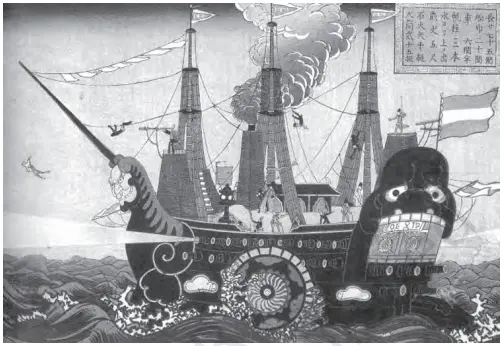
In 1853, Commodore Matthew Perry of the USA forced Japan to open trade and diplomatic relations. Fear of Western imperialism and China’s defeat in the Opium Wars convinced Japanese leaders that reforms were necessary to avoid colonisation.
In 1868, the Meiji Restoration ended the Tokugawa Shogunate and restored political power to the Emperor. Edo became the new capital and was renamed Tokyo. The government adopted the slogan “Fukoku Kyohei” (Rich Country, Strong Army) to strengthen Japan economically and militarily.
The Meiji government built a strong central administration, modern bureaucracy, and modern army while promoting nationalism. The emperor was presented as both a sacred ruler and the symbol of modernisation.
1. Foreign Pressure and Opening of Japan:
- Internal discontent coincided with foreign demands.
- In 1853, Commodore Matthew Perry arrived from the USA.
- Treaty signed in 1854 opening trade and diplomacy.
- USA needed access to China and refuelling points.
- Only Holland traded with Japan earlier.
2. Political Changes:
- Emperor regained political importance.
- In 1868, shogun was removed from power.
- Emperor moved to Edo, renamed Tokyo.
3. Fear of Colonisation:
- Awareness of European colonial expansion.
- News of China’s defeat by Britain spread fear.
- Fear Japan might become a colony.
4. Debates on Western Influence:
- Some favoured learning from Europe.
- Others wanted to exclude Europeans.
- Some supported limited opening.
5. State Policy:
- Slogan: fukoku kyohei (rich country, strong army).
- Aim: economic development and strong military.
- Goal to transform subjects into citizens.
6. Emperor System:
- Emperor part of a system with bureaucracy and military.
- Officials studied European monarchies.
- Emperor:
- Treated as divine.
- Projected as leader of westernisation.
- Birthday became a national holiday.
- Wore Western military uniforms.
7. Imperial Rescript on Education (1890):
- Encouraged learning.
- Promoted public good and common interests.
8. Education Reforms:
- New school system from 1870s.
- Education made compulsory for boys and girls.
- Nearly universal by 1910.
- Western-based curriculum.
- Emphasis on loyalty and Japanese history.
- Ministry controlled textbooks and teacher training.
- Moral culture taught:
- Respect parents.
- Loyalty to nation.
- Good citizenship.
9. Administrative and Military Reforms:
- Old village and domain boundaries altered.
- Units had to fund schools and health services.
- Centres for military recruitment.
- Compulsory military service for men over 20.
- Modern army created.
- Legal system regulated political activity.
- Strict censorship imposed.
- Military and bureaucracy under emperor’s command.
- Tension between democracy and military power.
- Wars with China and Russia, Japan victorious.
- Expansion suppressed democracy at home.
Note: Japanese Script:
- Borrowed Chinese script in the sixth century.
- Developed hiragana and katakana.
- Hiragana linked with women writers.
- Phonetic script spread knowledge widely.
- Proposal for full phonetic or European script rejected.
Modernising the Economy
The Meiji government rapidly modernised Japan’s economy by collecting agricultural taxes, building railways, establishing banks, importing Western technology, and sending students abroad. The first railway connecting Tokyo and Yokohama opened in 1872.
Large industrial companies known as Zaibatsu, such as Mitsubishi and Sumitomo, received government support and became powerful business groups. Industrialisation encouraged migration to cities, while overseas migration to Hokkaido, Hawaii, Brazil, and Japanese colonies helped reduce population pressure.
1. Economic Reforms:
- Agricultural tax funded reforms.
- First railway: Tokyo–Yokohama (1870–72).
- European machinery imported.
- Foreign experts hired.
- Japanese students sent abroad.
2. Industrial and Financial Growth:
- Modern banks started in 1872.
- Mitsubishi and Sumitomo supported.
- Emergence of zaibatsu.
- Trade carried in Japanese ships.
3. Population and Migration:
- Population rose from 35 million (1872) to 55 million (1920).
- Migration to:
- Hokkaido
- Hawaii
- Brazil
- Japanese colonies
- Rapid urbanisation.
Industrial Workers
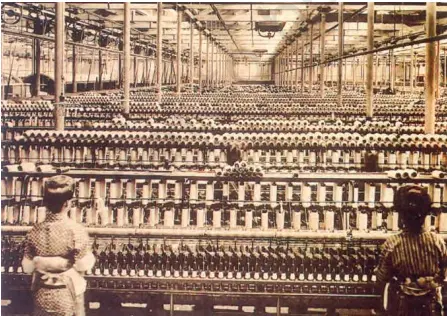
Industrial employment increased rapidly between 1870 and 1913. Initially, most workers were employed in small workshops, while women formed the majority of factory workers. Women also organised Japan’s first modern labour strike in 1886.
As factories expanded, industrial pollution became a serious problem. Social reformers such as Tanaka Shozo led campaigns against environmental damage, marking one of Japan’s earliest environmental movements.
1. Growth of Workforce:
- Manufacturing workers increased from 700,000 to 4 million.
- Small units dominated production.
- Women formed over half of factory workers.
- First modern strike in 1886 led by women.
2. Factory Expansion:
- Increase in large factories after 1900.
- Family-centred ideology sustained.
- Patriarchal nationalism reinforced.
3. Environmental Impact:
- Rapid industrialisation caused destruction.
- Tanaka Shozo led anti-pollution protest in 1897.
Aggressive Nationalism
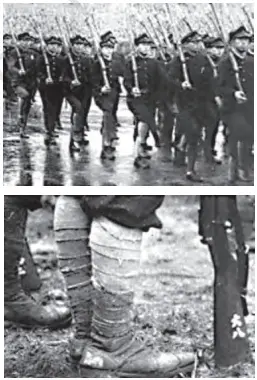
Japan adopted a constitutional government, but political power remained largely with military leaders and senior officials. From the late nineteenth century, the army gained increasing influence over national policy.
Fear of Western imperialism encouraged military expansion. Japan defeated China and Russia, built a colonial empire, and pursued an aggressive foreign policy. Military success strengthened nationalism but limited democratic development within the country.
1. Political Structure:
- Restricted franchise.
- Diet had limited powers.
- Military gained independence.
- Only serving officers could become ministers.
2. Military Expansion:
- Fear of Western powers justified expansion.
- Opposition silenced.
- High taxes imposed for armed forces.
‘Westernisation’ and ‘Tradition’
Many Japanese intellectuals believed Japan should adopt Western education, science, and institutions. Thinkers like Fukuzawa Yukichi argued that Japan should modernise completely to become equal to Western nations.
Others believed that Japan should preserve its own traditions while accepting useful Western ideas. Intellectuals such as Miyake Setsurei emphasised national culture, while Ueki Emori demanded constitutional government, individual rights, democracy, and even women’s voting rights.
These debates shaped Japan’s unique path of combining modernisation with national identity.
1. Westernisers:
- Fukuzawa Yukichi advocated westernisation.
- Called for Japan to ‘expel Asia’.
2. Critics of Blind Westernisation:
- Miyake Setsurei stressed indigenous values.
- National service seen as global service.
3. Democratic Thinkers:
- Ueki Emori demanded constitutional government.
- Influenced by French Revolution.
- Supported popular sovereignty and liberal education.
- Pressure led to constitution.
Daily Life
Industrialisation transformed Japanese society. The traditional joint family system gradually gave way to nuclear families, creating demand for modern housing, consumer goods, and new forms of entertainment.
Urban life expanded with electric trams, public parks, department stores, radio broadcasting, cinema, and theatre. New social ideas also emerged, including the concept of the Modern Girl (Moga), symbolising greater freedom, education, and changing gender roles.
1. Changing Family Structure:
- Shift from patriarchal to nuclear family.
- New domestic needs and housing forms.
2. Urban Culture:
- Affordable housing in the 1920s.
- Growth of transport, parks, department stores.
- Rise of Moga (modern girl).
- Expansion of cinema, radio, theatre.
- Ginza became cultural hub.
Overcoming Modernity
During the 1930s and 1940s, nationalism became increasingly militaristic. Japan expanded its empire across Asia and eventually entered the Second World War after attacking Pearl Harbor in 1941.
The government imposed strict control over society, suppressed political opposition, and encouraged patriotic organisations to support the war effort. Intellectuals debated how Japan could remain modern while resisting Western domination.
- Expansionist wars in Asia and WWII.
- Increased repression and patriotic organisations.
- 1943 symposium debated modernity.
- Nishitani Keiji defined modernity via Western thought.
- Goal of a Greater East Asia.
After Defeat: Re-emerging as a Global Economic Power
Japan was defeated in 1945 after the atomic bombings of Hiroshima and Nagasaki. During the US Occupation (1945–1952), Japan introduced major democratic reforms. The new Constitution included Article 9, renouncing war as a national policy.
Agrarian reforms, trade unions, political freedom, and women’s voting rights were introduced. The influence of the Zaibatsu was reduced, and democratic political institutions were strengthened.
After the war, Japan experienced a remarkable economic miracle. Strong cooperation between the government, industries, and bureaucracy, along with American support and demand created by the Korean and Vietnam Wars, accelerated economic growth.
The 1964 Tokyo Olympics and the introduction of the Shinkansen (Bullet Train) symbolised Japan’s technological advancement. However, rapid industrialisation also caused environmental problems such as Minamata disease, cadmium poisoning, and air pollution. Public protests led to strict environmental laws and compensation for victims.
Today, Japan is one of the world’s leading industrial and technological powers, balancing economic development with environmental protection and democratic governance.
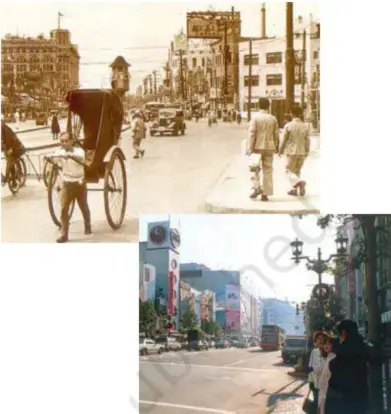
1. Post-War Reforms:
- Defeat ended empire.
- US-led occupation (1945–47).
- Demilitarisation and new constitution.
- Article 9 renounced war.
- Women voted in 1946 elections.
2. Economic Recovery:
- Post-war economic ‘miracle’.
- Supported by:
- US aid
- Korean and Vietnam wars
- Strong state-industry cooperation.
3. Symbol of Modern Japan:
- 1964 Tokyo Olympics.
- Shinkansen bullet trains.
- Environmental movements in the 1960s–70s.
- Strict environmental laws by mid-1980s.
- Japan emerged as a leading world power.
Quick Revision Points
- The Tokugawa Shogunate (1603–1867) ruled Japan through Daimyos and Samurai.
- Tokugawa reforms created political stability, urban growth, and commercial development.
- Matthew Perry (1853) forced Japan to open trade with the West.
- The Meiji Restoration (1868) restored imperial rule and modernised Japan.
- “Fukoku Kyohei” meant “Rich Country, Strong Army.”
- Compulsory education, military service, railways, banks, and industries were introduced.
- Zaibatsu such as Mitsubishi dominated industrial growth.
- Women played a major role in early industrial labour and organised Japan’s first modern strike.
- Japan defeated China and Russia and built a colonial empire.
- Intellectuals debated Westernisation versus preserving Japanese traditions.
- Urbanisation transformed family life, entertainment, and social values.
- Militarism led Japan into the Second World War.
- After 1945, Japan adopted a democratic constitution with Article 9 (No War Clause).
- The post-war economic miracle made Japan a leading industrial and technological nation.
- Environmental movements in the 1960s led to stronger pollution control laws.
MCQs on NCERT History Class 11 Chapter 7 Topic – Japan
Here are the top exam-oriented MCQ-type questions on “Japan Class 11” that you should prepare for your CBSE or state board exams:
Question 1. By the twelfth century, real power in Japan had passed from the emperor to whom?
A. Daimyo
B. Samurai
C. Shoguns
D. Merchants
Answer: C
Question 2. The Tokugawa family ruled Japan as shoguns during which period?
A. 1500–1700
B. 1603–1867
C. 1550–1800
D. 1700–1900
Answer: B
Question 3. The capital Edo is known today as:
A. Kyoto
B. Osaka
C. Tokyo
D. Nagasaki
Answer: C
Question 4. The feudal lords of Japan were called:
A. Samurai
B. Shoguns
C. Daimyo
D. Ronin
Answer: C
Question 5. Why were daimyo ordered to stay in Edo for long periods?
A. To improve administration
B. To promote culture
C. To prevent rebellion
D. To train samurai
Answer: C
Question 6. Which class formed the ruling elite in Tokugawa Japan?
A. Peasants
B. Merchants
C. Samurai
D. Artisans
Answer: C
Question 7. Which group alone was allowed to carry swords after the late sixteenth century reforms?
A. Daimyo
B. Samurai
C. Merchants
D. Peasants
Answer: B
Question 8. Land surveys were conducted mainly to:
A. Distribute land equally
B. Identify forests
C. Ensure stable revenue
D. Promote agriculture
Answer: C
Question 9. Which city was the most populated city in the world by the mid-seventeenth century?
A. Kyoto
B. Osaka
C. Edo
D. Nagasaki
Answer: C
Question 10. Growth of towns in Japan led to:
A. Decline of culture
B. Growth of commercial economy
C. Fall in literacy
D. Military weakness
Answer: B
Question 11. Which class patronised theatre and arts in towns?
A. Samurai
B. Peasants
C. Merchants
D. Daimyo
Answer: C
Question 12. Printing in Japan was done using:
A. Metal type
B. Stone blocks
C. Wood blocks
D. Copper plates
Answer: C
Question 13. Why did the Tokugawa restrict export of gold and silver?
A. To punish traders
B. To control inflation
C. To protect economy
D. To promote agriculture
Answer: C
Question 14. Nishijin in Kyoto became famous for:
A. Rice trade
B. Silk industry
C. Tea plantations
D. Shipbuilding
Answer: B
Question 15. Which text was considered a classic of early Japanese literature?
A. Analects
B. Ramayana
C. Tale of the Genji
D. Art of War
Answer: C
Question 16. Who led the US mission that forced Japan to open trade?
A. Abraham Lincoln
B. Matthew Perry
C. George Washington
D. Theodore Roosevelt
Answer: B
Question 17. In which year was the shogun removed from power?
A. 1853
B. 1854
C. 1868
D. 1871
Answer: C
Question 18. Tokyo literally means:
A. New capital
B. Sacred city
C. Eastern capital
D. Imperial city
Answer: C
Question 19. The slogan ‘fukoku kyohei’ meant:
A. Peace and harmony
B. Rich country, strong army
C. Western learning
D. Emperor’s rule
Answer: B
Question 20. The emperor was believed to be a descendant of:
A. Moon God
B. Dragon
C. Sun Goddess
D. Sky Spirit
Answer: C
Question 21. The Imperial Rescript on Education was issued in:
A. 1870
B. 1885
C. 1890
D. 1905
Answer: C
Question 22. School education in Meiji Japan was:
A. Only for boys
B. Optional
C. Compulsory for boys and girls
D. Only religious
Answer: C
Question 23. Moral education stressed:
A. Individual freedom
B. Loyalty and discipline
C. Trade skills
D. Scientific thinking
Answer: B
Question 24. Japan’s first railway line connected:
A. Osaka–Kyoto
B. Tokyo–Yokohama
C. Tokyo–Nagasaki
D. Kyoto–Kobe
Answer: B
Question 25. Zaibatsu were:
A. Labour unions
B. Political parties
C. Family-controlled business groups
D. Military units
Answer: C
Question 26. Which company was supported to develop shipbuilding?
A. Toyota
B. Mitsubishi
C. Sony
D. Nissan
Answer: B
Question 27. Who organised the first modern strike in Japan in 1886?
A. Peasants
B. Samurai
C. Women workers
D. Soldiers
Answer: C
Question 28. Most industrial workers before 1913 worked in:
A. Large factories
B. Government offices
C. Small workshops
D. Mines
Answer: C
Question 29. Who led the first protest against industrial pollution?
A. Fukuzawa Yukichi
B. Tanaka Shozo
C. Miyake Setsurei
D. Ueki Emori
Answer: B
Question 30. The Japanese parliament was called the:
A. Senate
B. National Assembly
C. Diet
D. Council
Answer: C
Question 31. After 1899, only who could become ministers?
A. Bureaucrats
B. Merchants
C. Serving generals and admirals
D. Judges
Answer: C
Question 32. Article 9 of the Japanese Constitution refers to:
A. Right to vote
B. No-war clause
C. Freedom of speech
D. Right to property
Answer: B
Question 33. Women voted for the first time in Japan in:
A. 1935
B. 1945
C. 1946
D. 1950
Answer: C
Question 34. The post-war economic recovery of Japan is called:
A. Industrial boom
B. Economic leap
C. Post-war miracle
D. Green revolution
Answer: C
Next & Previous Topics of NCERT/CBSE History Class 11 Chapter 7: Paths to Modernisation
| Topics No. | Topics Name |
|---|---|
| 1 | Japan |
| 2 | China |
| 3 | The Story of Korea |
| 4 | Two Roads to Modernisation |
FAQs on Japan Class 11 History
1. What was the political system of Japan before the Meiji Restoration?
Answer: Before the Meiji Restoration, Japan was ruled by the Tokugawa shoguns, while the emperor remained the symbolic ruler. The country was divided into over 250 domains governed by daimyo. The samurai formed the ruling warrior class, and the shogun exercised control over major cities, mines, and regional lords.
2. What was the Meiji Restoration?
Answer: The Meiji Restoration of 1868 ended the rule of the Tokugawa shogunate and restored political power to the emperor. Edo was renamed Tokyo and became the new capital. The new government introduced reforms to modernise Japan’s political system, military, education, economy, and administration to strengthen the nation.
3. Why did Japan modernise during the Meiji period?
Answer: Japan modernised because its leaders feared that Western powers might colonise the country, as had happened elsewhere in Asia. The Meiji government adopted the slogan “Rich Country, Strong Army” and introduced reforms to strengthen the economy, military, education system, and national unity.
4. How did the Meiji government modernise Japan’s economy?
Answer: The Meiji government modernised the economy by introducing agricultural taxes, building railways, establishing modern banks, importing machinery, encouraging industries, and supporting companies like Mitsubishi and Sumitomo. These reforms promoted industrial growth and transformed Japan into a modern economic power.
5. What changes did the Meiji government introduce in education?
Answer: The Meiji government made education compulsory for both boys and girls and established a nationwide school system. The curriculum combined Western knowledge with Japanese history, moral values, and loyalty to the emperor. These reforms helped create educated citizens and promoted national unity.
6. How did industrialisation change Japan?
Answer: Industrialisation greatly increased factory production, employment, and urbanisation in Japan. Industries expanded rapidly with the support of modern technology, railways, and business organisations. However, rapid industrial growth also caused environmental pollution and poor working conditions, leading to protests and demands for reforms.
7. What was aggressive nationalism in Japan?
Answer: Aggressive nationalism developed when Japan strengthened its military and expanded its colonial empire. Fear of Western domination encouraged military expansion, resulting in wars with China and Russia. Military leaders gained greater influence, while democratic movements often faced restrictions and opposition.
8. How did Japan become a global economic power after World War II?
Answer: After World War II, Japan adopted a democratic constitution, carried out economic reforms, rebuilt industries, and received support during the Korean and Vietnam Wars. Rapid industrial growth, technological innovation, and cooperation between government and businesses transformed Japan into one of the world’s leading economies.
9. What was the role of the samurai in Japan?
Answer: The samurai were Japan’s warrior class and served the shoguns and daimyo. They formed the ruling elite and helped maintain law and order. During the Tokugawa period, only samurai were allowed to carry swords, which contributed to political stability and reduced internal conflicts.
10. What were the major achievements of the Meiji Restoration?
Answer: The Meiji Restoration transformed Japan through political centralisation, compulsory education, military reforms, industrialisation, railway construction, modern banking, and economic development. These reforms enabled Japan to avoid colonisation and emerge as a powerful industrial and military nation within a few decades.