
The Early Empire Class 11 – Concept, MCQs & Notes PDF
Topic covered: The Early Empire class 11 notes and MCQs questions: An Empire Across Three Continents (All single detail notes are exam-oriented).
We have discussed in-depth and exam-oriented pointers that can be asked in the board exam of class 11th about “The Early Empire“ from the NCERT history notes for class 11th chapter 2 “An Empire Across Three Continents”.
Download the NCERT History for Class 11th Chapter 2 An Empire Across Three Continents Notes PDF
NCERT History Class 11 Chapter 2 notes are prepared to help students study more effectively and revise faster. This chapter, An Empire Across Three Continents, introduces to the rise and expansion of a powerful empire that spread across Asia, Europe, and Africa, shaping political, cultural, and administrative systems. This chapter plays an important role in building a strong foundation in Class 11 History.
At E-book NCERT, the Class 11 History Chapter 2 notes are created to support focused and exam-oriented study. Students can download the NCERT History notes PDF anytime for quick revision and better understanding. This chapter explores the growth of a vast empire, its administration, economy, military organisation, and cultural integration across three continents. It also discusses important archaeological and literary sources that help us understand how such empires functioned and influenced the ancient world.
The Early Empire
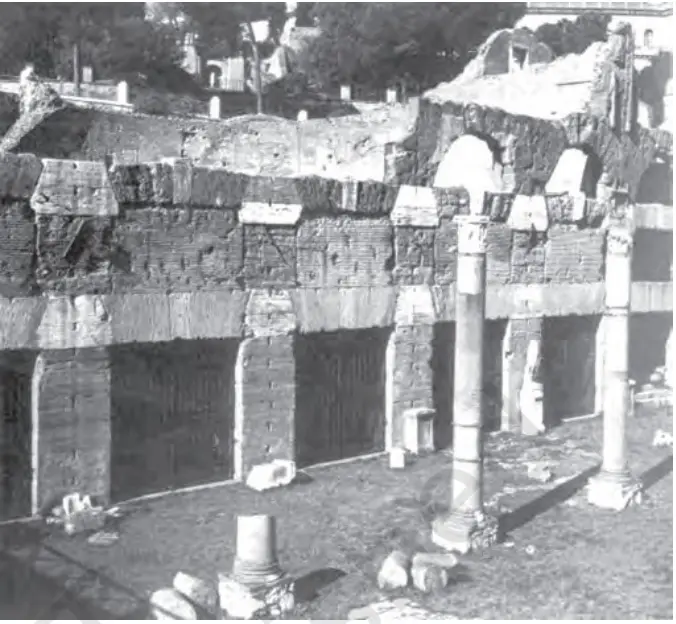
1. Early and Late Roman Empire:
- The Roman Empire is divided into two phases: the early empire (till the mid-third century) and the late empire (after the third century).
- The third century acts as the historical dividing line between the two phases.
2. Cultural Diversity:
- Rome was far more diverse than Iran’s Parthian and Sasanian empires.
- Iran’s population was largely Iranian, while Rome was a mosaic of cultures and territories.
- Many languages were spoken, but Latin and Greek dominated administration.
3. Language Zones:
- Latin was the main language in the western empire; Greek in the east.
- The linguistic boundary ran across the Mediterranean between Tripolitania (Latin) and Cyrenaica (Greek).
4. Unity under the Emperor:
- Everyone in the empire was a subject of one emperor, regardless of language or region.
5. The Principate:
- Augustus established the Principate in 27 BCE.
- Augustus held full authority but maintained the idea that he was only the “leading citizen”.
- This respected the traditions of the earlier Roman Republic.
6. Role of the Senate:
- The Senate represented the aristocracy and had existed for centuries.
- Emperors were judged based on their behaviour toward the Senate.
- The Senate preferred the days of the Republic, though it was no longer realistic.
7. The Roman Army:
- Rome had a paid professional army, unlike Persia’s conscript army.
- Soldiers served at least 25 years.
- The army was the largest organised body — 600,000 by the fourth century.
- Soldiers often demanded better pay and conditions, sometimes leading to mutinies.
- Historians from senatorial backgrounds portrayed the army negatively.
8. Politics: Emperor, Senate, Army:
- These three were the key power players.
- Emperors relied on control of the army.
- When armies were divided, civil wars occurred.
- Except for 69 CE, the first two centuries were mostly stable.
9. Succession Practices:
- Succession was usually based on family descent, natural or adoptive.
- The army supported a hereditary-like succession.
- Example: Tiberius became emperor because Augustus adopted him.
10. External Expansion:
- The empire was already large by Augustus’s time, so further expansion was minimal.
- The “Augustan age” was remembered for peace.
- Trajan’s eastern expansion (113–117 CE) was abandoned later.
11. Growth of Provincial Rule:
- Roman direct rule expanded by converting dependent kingdoms into provinces.
- By the early second century, all kingdoms west of the Euphrates had disappeared.
- Some kingdoms, like Herod’s, generated enormous revenue.
12. Provincial Administration:
- Except Italy, all Roman territories were provinces and paid taxes.
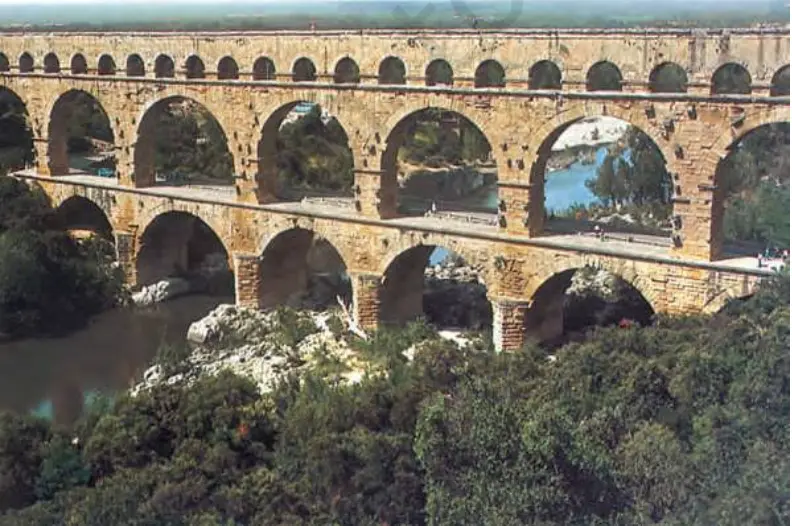
- At its height, the empire stretched from Scotland to Armenia and Sahara to Euphrates.
- Administration relied heavily on urbanisation.
13. Importance of Cities:
- Cities like Carthage, Alexandria and Antioch were major centres.
- Cities helped the empire tax rural regions.
- Local elites collaborated with the Roman government.
14. Rise of Provincial Elites:
- From the second and third centuries, provincial elites dominated administration and military ranks.
- They became more powerful than the Senate due to imperial support.
15. Gallienus’ Reform:
- Emperor Gallienus (253–268 CE) banned senators from military command.
- This strengthened the power of provincial commanders.
16. Shifting Power Balance:
- Army and administration increasingly came from provinces.
- Italy’s political and economic influence declined.
- Provincial senators became a majority by the third century.
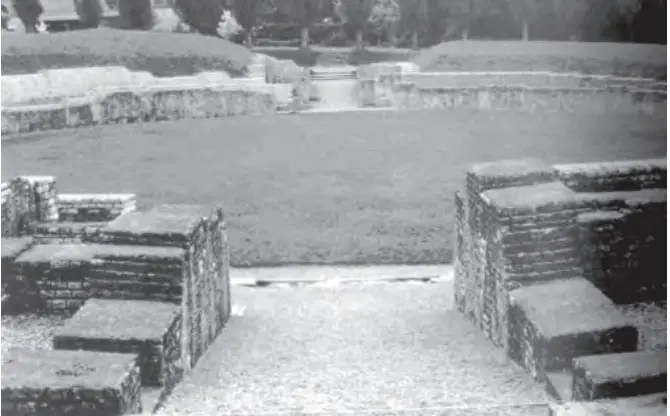
17. What Defined a Roman City:
- A city had its own magistrates, council, and surrounding territory.
- Villages belonged to city territories.
- Villages could be promoted to cities as imperial favour.
18. Advantages of Urban Life:
- Better food supply during shortages.
- Public baths were common in Roman cities.
- Entertainment was widespread, with 176 festival or show days recorded in a single calendar year.
The Emperor Trajan’s Dream – A Conquest of India?
1. Trajan’s Military Campaign of 116 CE:
- In 116, Emperor Trajan marched down the Euphrates.
- His route took him to Ctesiphon, the capital of the Parthian Empire.
- From there, he advanced further to the head of the Persian Gulf.
2. The Antioch Earthquake Context:
- The year before the campaign, 115/16, Trajan spent the winter in Antioch.
- This period was marked by a major earthquake.
3. Cassius Dio’s Account:
- Historian Cassius Dio records an episode from Trajan’s time near the Persian Gulf.
- Dio describes Trajan observing a merchant ship preparing to sail to India.
4. Trajan’s Ambition Inspired by Alexander:
- Seeing the ship, Trajan expressed a longing to follow the route to India.
- He wished he were young enough to attempt conquests like Alexander the Great.
- This moment reflects his ambition for further expansion beyond the Parthian region.
The Doctor Galen on how Roman Cities Treated the Countryside
1. Context of Galen’s Observation:
- Galen discusses the impact of repeated famines on Roman provinces.
- He highlights how prolonged food shortages revealed the link between malnutrition and illness.
2. Grain Collection by City-Dwellers:
- City populations collected and stored enough grain for an entire year right after the harvest.
- They took major staples such as wheat, barley, beans and lentils from the countryside.
- Peasants were left only with inferior types of pulse.
3. Unequal Distribution of Food:
- Even the remaining pulse was partly taken away by city-dwellers.
- This created a clear imbalance between urban and rural food availability.
4. Rural Food Scarcity During Winter:
- Peasants consumed their limited supplies during winter.
- By spring, most of their food reserves were exhausted.
5. Shift to Unhealthy Substitute Foods:
- With no regular food left, rural people were forced to eat unhealthy and non-standard items.
- Their diet shifted to twigs, shoots, bulbs and roots of inedible plants.
- These desperate food choices highlight the severity of rural deprivation.
6. Larger Implication:
- The situation shows exploitation of the countryside by urban populations.
- Galen uses this example to explain how malnutrition directly contributed to widespread illness.
Next & Previous Topics of NCERT/CBSE History Class 11 Chapter 2: An Empire Across Three Continents
| Topics No. | Topics Name |
|---|---|
| 1 | The Early Empire |
| 2 | The Third-Century Crisis |
| 3 | Gender, Literacy, Culture |
| 4 | Economic Expansion |
| 5 | Controlling Workers |
| 6 | Social Hierarchies |
| 7 | Late Antiquity |
MCQs on NCERT History Class 11 Chapter 2 Topic – The Early Empire Class 11
Here are the top exam-oriented MCQ-type questions on “The Early Empire Class 11” that you should prepare for your CBSE or state board exams:
Question 1. The Roman Empire is divided into ‘early’ and ‘late’ phases around which century?
a) Second century
b) Third century
c) Fourth century
d) First century
Answer: b) Third century
Question 2. Which empire was culturally more diverse according to the passage?
a) Iranian Empire
b) Persian Empire
c) Roman Empire
d) Parthian Empire
Answer: c) Roman Empire
Question 3. The dynasties that ruled Iran during this period were the:
a) Mauryas and Guptas
b) Parthians and Sasanians
c) Greeks and Romans
d) Assyrians and Babylonians
Answer: b) Parthians and Sasanians
Question 4. Which two languages were officially used for administration in the Roman Empire?
a) Latin and Aramaic
b) Greek and Persian
c) Latin and Greek
d) Latin and Hebrew
Answer: c) Latin and Greek
Question 5. The upper classes of the eastern Roman Empire mainly used:
a) Latin
b) Greek
c) Aramaic
d) Egyptian
Answer: b) Greek
Question 6. The western upper classes of the Roman Empire primarily spoke:
a) Greek
b) Latin
c) Phoenician
d) Celtic
Answer: b) Latin
Question 7. The boundary between Greek and Latin speaking regions ran across the:
a) Alps
b) Red Sea
c) Mediterranean
d) Black Sea
Answer: c) Mediterranean
Question 8. Who was the single ruler of the Roman Empire?
a) Senate
b) Consuls
c) Emperor
d) Army chief
Answer: c) Emperor
Question 9. The political system established by Augustus was called:
a) Republic
b) Dominate
c) Principate
d) Monarchy
Answer: c) Principate
Question 10. Augustus ruled from:
a) 44 BCE
b) 31 BCE
c) 27 BCE
d) 14 CE
Answer: c) 27 BCE
Question 11. Augustus claimed to be only the:
a) Absolute ruler
b) Military dictator
c) Leading citizen
d) Divine king
Answer: c) Leading citizen
Question 12. The Latin term Princeps means:
a) King
b) Emperor
c) Leading citizen
d) Senator
Answer: c) Leading citizen
Question 13. The Senate mainly represented:
a) Soldiers
b) Merchants
c) Aristocracy
d) Slaves
Answer: c) Aristocracy
Question 14. Roman historical writings were mostly authored by people from:
a) Army background
b) Merchant class
c) Senatorial background
d) Peasant class
Answer: c) Senatorial background
Question 15. Emperors were judged mainly by their behaviour towards the:
a) Army
b) People
c) Senate
d) Provinces
Answer: c) Senate
Question 16. The Roman army was different from the Persian army because it was:
a) Temporary
b) Conscription-based
c) Paid and professional
d) Tribal
Answer: c) Paid and professional
Question 17. Minimum service period for a Roman soldier was:
a) 10 years
b) 15 years
c) 20 years
d) 25 years
Answer: d) 25 years
Question 18. By the fourth century, the Roman army numbered approximately:
a) 300,000
b) 400,000
c) 500,000
d) 600,000
Answer: d) 600,000
Question 19. The Senate feared the army mainly because of its:
a) Loyalty to provinces
b) Religious influence
c) Unpredictable violence
d) Foreign origin
Answer: c) Unpredictable violence
Question 20. The three main players in Roman political history were:
a) Emperor, priests, traders
b) Emperor, Senate, army
c) Army, peasants, nobles
d) Senate, merchants, governors
Answer: b) Emperor, Senate, army
Question 21. Civil wars usually occurred when:
a) Taxes were reduced
b) Senate gained power
c) Armies were divided
d) Trade declined
Answer: c) Armies were divided
Question 22. The year in which four emperors ruled successively was:
a) 27 BCE
b) 69 CE
c) 113 CE
d) 253 CE
Answer: b) 69 CE
Question 23. Tiberius ruled from:
a) 27 BCE–14 CE
b) 14–37 CE
c) 37–54 CE
d) 54–68 CE
Answer: b) 14–37 CE
Question 24. Tiberius became emperor because he was:
a) Augustus’s natural son
b) Elected by Senate
c) Adopted by Augustus
d) Chosen by army
Answer: c) Adopted by Augustus
Question 25. The Augustan age is remembered mainly for:
a) Expansion
b) Trade boom
c) Peace after conflict
d) Religious reforms
Answer: c) Peace after conflict
Question 26. The only major expansion of the early empire was under:
a) Augustus
b) Tiberius
c) Trajan
d) Hadrian
Answer: c) Trajan
Question 27. Trajan’s campaign beyond the Euphrates occurred between:
a) 98–100 CE
b) 113–117 CE
c) 120–125 CE
d) 130–135 CE
Answer: b) 113–117 CE
Question 28. Italy during this period was:
a) A province
b) Taxed like others
c) Not considered a province
d) Militarised
Answer: c) Not considered a province
Question 29. At its peak, the Roman Empire extended from:
a) Britain to Persia
b) Spain to India
c) Scotland to Armenia
d) Gaul to China
Answer: c) Scotland to Armenia
Question 30. Estimated population of the Roman Empire in mid-second century was:
a) 30 million
b) 40 million
c) 50 million
d) 60 million
Answer: d) 60 million
Question 31. Roman administration depended heavily on:
a) Villages
b) Nomadic tribes
c) Cities
d) Temples
Answer: c) Cities
Question 32. Which emperor excluded senators from military command?
a) Trajan
b) Augustus
c) Gallienus
d) Tiberius
Answer: c) Gallienus
Question 33. A Roman city had all except:
a) Magistrates
b) City council
c) Independent army
d) Territorial jurisdiction
Answer: c) Independent army
Question 34. One major advantage of city life was:
a) No taxation
b) Military protection only
c) Better food supply during famine
d) Free land
Answer: c) Better food supply during famine
Question 35. Public baths were a major feature of:
a) Persian cities
b) Greek villages
c) Roman urban life
d) Nomadic camps
Answer: c) Roman urban life
Question 36. Roman entertainment occupied how many days in a year?
a) 100 days
b) 120 days
c) 150 days
d) 176 days
Answer: d) 176 days
Question 37. The famine described by Galen mainly affected:
a) City dwellers
b) Soldiers
c) Peasants
d) Senators
Answer: c) Peasants
Question 38. According to Galen, cities survived famine because they:
a) Imported food
b) Stored grain in advance
c) Paid less tax
d) Had fertile land
Answer: b) Stored grain in advance
Very much helpful
The best notes