
The Copernican Revolution Class 11 – Concept, MCQs & Notes PDF
Topic covered: The Copernican Revolution class 11 notes and MCQs questions: Changing Cultural Traditions (All single detail notes are exam-oriented).
We have discussed in-depth and exam-oriented pointers that can be asked in the board exam of class 11th about “The Copernican Revolution“ from the NCERT history notes for class 11th chapter 5 “Changing Cultural Traditions”.
Download the NCERT History for Class 11th Chapter 5 Changing Cultural Traditions Notes PDF
Download the NCERT History for Class 11th Chapter 5 Changing Cultural Traditions Notes PDF if you want a clear and readable explanation of how ideas, art, and knowledge began to change in medieval Europe. These notes walk you through the revival of Italian cities, the growth of universities, and the rise of humanism, showing how people started to look at history, science, and philosophy in new ways. You will also learn about the Arab contribution to knowledge, realistic art, architecture, the first printed books, and changing views about human beings and women. The chapter ends with important religious debates and scientific ideas like the Copernican Revolution, helping you understand how people began to read and interpret the universe differently.
The Copernican Revolution
1. Scientific Challenge to Christian Beliefs:
- The Christian notion of man as a sinner was questioned by scientists.
- The challenge came from a scientific, not religious, perspective.
2. Traditional Christian View of the Universe:
- Earth was believed to be sinful and immobile.
- The heavy burden of sin was thought to keep the earth stationary.
- Earth was considered the centre of the universe.
- Celestial planets were believed to move around the Earth.
3. Copernicus and the Scientific Turning Point:
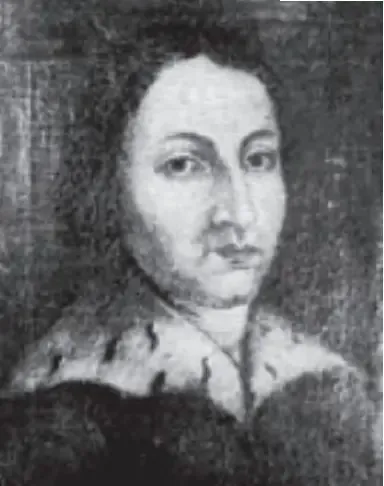
- A major turning point in European science came with Copernicus (1473–1543).
- He was a contemporary of Martin Luther.
- Copernicus asserted that planets, including Earth, rotate around the sun.
4. Copernicus and the Church:
- Copernicus was a devout Christian.
- He feared the reaction of traditionalist clergymen.
- He did not want his manuscript De revolutionibus (The Rotation) to be printed.
5. Fate of De revolutionibus:
- Copernicus gave the manuscript to his follower, Joachim Rheticus.
- This happened on his deathbed.
6. Delayed Acceptance of New Ideas:
- Copernican theory was not accepted immediately.
- People took a long time to accept the sun-centered system.
7. Bridging Heaven and Earth:
- The gap between heaven and earth was bridged much later.
- This happened more than half a century later.
- Contributions came from Johannes Kepler and Galileo Galilei.
8. Kepler’s Contribution:
- Johannes Kepler (1571–1630) popularised the sun-centered system.
- His work Cosmographical Mystery explained planetary motion.
- He showed that planets move in ellipses, not circles.
9. Galileo’s Contribution:
- Galileo Galilei (1564–1642) supported the idea of a dynamic world.
- He confirmed this through his work, The Motion.
10. Climax of the Scientific Revolution:
- The scientific revolution reached its climax with Isaac Newton.
- Newton proposed the theory of gravitation.
Next & Previous Topics of NCERT/CBSE History Class 11 Chapter 5: Changing Cultural Traditions
MCQs on NCERT History Class 11 Chapter 5 – The Copernican Revolution Class 11
Here are the top exam-oriented MCQ-type questions on “The Copernican Revolution Class 11” that you should prepare for your CBSE or state board exams:
Question 1. The Christian notion of man as a sinner was questioned mainly by
A. Philosophers
B. Clergymen
C. Scientists
D. Artists
Answer: C. Scientists
Question 2. According to traditional Christian belief, the earth was considered
A. A divine planet
B. A sinful and immobile place
C. A moving heavenly body
D. Part of a sun-centred system
Answer: B. A sinful and immobile place
Question 3. Christians believed that the earth stood at the centre of
A. The solar system
B. The galaxy
C. The universe
D. The celestial sphere only
Answer: C. The universe
Question 4. The turning point in European science came with the work of
A. Galileo Galilei
B. Johannes Kepler
C. Isaac Newton
D. Nicolaus Copernicus
Answer: D. Nicolaus Copernicus
Question 5. Copernicus lived during the period
A. 1400–1450
B. 1450–1500
C. 1473–1543
D. 1500–1550
Answer: C. 1473–1543
Question 6. Copernicus was a contemporary of
A. Isaac Newton
B. Martin Luther
C. Johannes Kepler
D. Galileo Galilei
Answer: B. Martin Luther
Question 7. Copernicus asserted that
A. The sun revolves around the earth
B. The earth is stationary
C. All planets revolve around the sun
D. Planets move randomly in space
Answer: C. All planets revolve around the sun
Question 8. According to Copernicus, which of the following rotates around the sun?
A. Only planets except earth
B. Only the earth
C. The moon
D. Planets including the earth
Answer: D. Planets including the earth
Question 9. Copernicus was afraid of the reaction of
A. Kings and nobles
B. Scientists
C. Traditionalist clergymen
D. Common people
Answer: C. Traditionalist clergymen
Question 10. Due to fear of opposition, Copernicus initially did not want his manuscript to be
A. Written
B. Translated
C. Printed
D. Read
Answer: C. Printed
Question 11. The manuscript written by Copernicus was titled
A. The Motion
B. Cosmographical Mystery
C. De revolutionibus
D. Principia
Answer: C. De revolutionibus
Question 12. The English meaning of De revolutionibus is
A. The Universe
B. The Motion
C. The Rotation
D. The Cosmos
Answer: C. The Rotation
Question 13. On his deathbed, Copernicus gave his manuscript to
A. Galileo Galilei
B. Johannes Kepler
C. Martin Luther
D. Joachim Rheticus
Answer: D. Joachim Rheticus
Question 14. Acceptance of Copernicus’s ideas by people was
A. Immediate
B. Forced by the Church
C. Gradual and slow
D. Complete within a year
Answer: C. Gradual and slow
Question 15. The gap between ‘heaven’ and earth was bridged through the writings of
A. Artists and philosophers
B. Clergymen
C. Astronomers
D. Politicians
Answer: C. Astronomers
Question 16. Which of the following astronomers helped bridge the difference between heaven and earth?
A. Copernicus and Luther
B. Kepler and Galileo
C. Newton and Descartes
D. Aristotle and Plato
Answer: B. Kepler and Galileo
Question 17. Johannes Kepler lived during the period
A. 1473–1543
B. 1500–1560
C. 1564–1642
D. 1571–1630
Answer: D. 1571–1630
Question 18. Galileo Galilei lived during the period
A. 1473–1543
B. 1564–1642
C. 1571–1630
D. 1640–1700
Answer: B. 1564–1642
Question 19. The theory of a sun-centred system was popularised by
A. Galileo’s The Motion
B. Newton’s theory of gravitation
C. Kepler’s Cosmographical Mystery
D. Copernicus’s fear of the Church
Answer: C. Kepler’s Cosmographical Mystery
Question 20. According to Kepler, planets move around the sun in
A. Perfect circles
B. Straight lines
C. Elliptical orbits
D. Zigzag paths
Answer: C. Elliptical orbits
Question 21. Which work demonstrated that planets do not move in circular paths?
A. De revolutionibus
B. The Motion
C. Cosmographical Mystery
D. Principia
Answer: C. Cosmographical Mystery
Question 22. Galileo Galilei confirmed the idea of a dynamic world in his work
A. De revolutionibus
B. The Motion
C. Cosmographical Mystery
D. Theory of Gravitation
Answer: B. The Motion
Question 23. The scientific revolution reached its climax with
A. Copernicus’s heliocentric theory
B. Kepler’s laws of motion
C. Galileo’s observations
D. Isaac Newton’s theory of gravitation
Answer: D. Isaac Newton’s theory of gravitation
Question 24. Which scientist is associated with the theory of gravitation?
A. Copernicus
B. Kepler
C. Galileo
D. Isaac Newton
Answer: D. Isaac Newton
Question 25. Which sequence correctly shows the development of scientific ideas?
A. Newton → Galileo → Copernicus → Kepler
B. Copernicus → Kepler → Galileo → Newton
C. Galileo → Copernicus → Newton → Kepler
D. Kepler → Newton → Copernicus → Galileo
Answer: B. Copernicus → Kepler → Galileo → Newton