
Social And Political Background Class 11- Concept, MCQs & Notes PDF
Topic covered: Social and Political Background class 11 notes and MCQs questions: Nomadic Empires (All single detail notes are exam-oriented).
We have discussed in-depth and exam-oriented pointers that can be asked in the board exam of class 11th about “Social And Political Background“ from the NCERT history notes for class 11th chapter 3 “Nomadic Empires”.
Download the NCERT History for Class 11th Chapter 3 Nomadic Empires Notes PDF
Class 11 History Chapter 3 Nomadic Empires is one of the most important chapters in the NCERT syllabus, especially for students preparing for school exams and competitive exams. This chapter explains how nomadic societies like the Mongols built powerful empires, their social organisation, military strategies, and administrative systems.
If you are looking to download the NCERT History for Class 11th Chapter 3 Nomadic Empires Notes PDF, this page gives you exam-oriented, easy-to-revise notes based strictly on the NCERT textbook.
Social And Political Background
1. Ethnic and Linguistic Links of the Mongols:
- Mongols were a diverse people.
- They were linked by language to Tatars, Khitan and Manchus in the east.
- They were also linked to Turkic tribes in the west.
2. Economic Types among the Mongols:
- Mongol society included pastoralists and hunter-gatherers.
- Pastoralists reared horses, sheep, cattle, goats and camels.
- Hunter-gatherers depended on hunting and fur trade.
3. Geographical Setting of the Mongols:
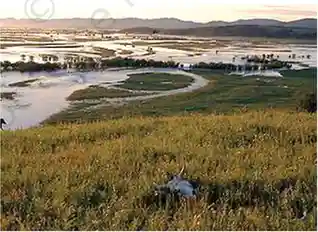
- Mongols lived in the steppes of Central Asia.
- The region corresponds largely to modern Mongolia.
- Landscape included wide plains, the Altai mountains, the Gobi desert, rivers Onon and Selenga, and melting snow springs.
- Good seasons provided rich pasture and small game.
4. Hunter-Gatherers of the Siberian Forests:
- Hunter-gatherers lived north of the pastoralists.
- They lived in Siberian forests.
- Their livelihood came from trapping animals and trading furs.
- They were socially humbler than pastoralists.
5. Climate and Its Impact:
- Region experienced extreme temperatures.
- Long, harsh winters and short, dry summers were common.
- Agriculture was possible briefly but was not adopted by Mongols.
6. Absence of Cities and Settled Life:
- Neither pastoral nor hunting economies supported dense populations.
- The region had no cities.
- Mongols lived in tents called gers.
- They moved seasonally with their herds.
7. Social Organisation and Lineages:
- Mongols were united by ethnic and language ties.
- Society was divided into patrilineal lineages due to scarce resources.
- Wealthier families owned more animals and pasture.
- Rich families had more followers and political influence.
8. Natural Calamities and Conflict:
- Harsh winters and droughts caused shortages of food and pasture.
- Families were forced to move further afield.
- This led to conflicts over pasture and livestock raids.
9. Mongol Confederacies:
- Families sometimes formed alliances for defence or attack.
- Confederacies usually remained small and short-lived.
- Most alliances broke down quickly.
10. Genghis Khan’s Confederation:
- Genghis Khan formed a large confederation of Mongol and Turkish tribes.
- Comparable in size only to Attila’s confederation of the fifth century.
- Unlike Attila’s, Genghis Khan’s political system survived after his death.
- It was strong enough to defeat larger and better-equipped armies.
11. Mongol Rule over Sedentary Societies:
- Mongols conquered China, Iran and eastern Europe.
- They governed agrarian economies and urban settlements.
- These societies were different from Mongol nomadic life.
12. Nomads and Sedentary Societies:
- Nomadic and agrarian societies had different organisations.
- They were not unfamiliar with each other.
- Limited steppe resources pushed Mongols to trade with China.
13. Trade and Barter with China:
- Mongols traded horses, furs and game.
- China supplied agricultural goods and iron utensils.
- Trade benefited both sides.
14. Trade, Warfare and Plunder:
- Trade relations were tense and often backed by military pressure.
- Mongol alliances could force better trade terms from China.
- Sometimes trade was replaced by direct plunder.
- When Mongols were divided, Chinese influence increased.
15. Impact of Frontier Wars:
- Frontier wars damaged settled societies more severely.
- Agriculture was disrupted and cities were plundered.
- Nomads could withdraw with minimal losses.
16. Chinese Defensive Measures:
- China suffered repeated nomadic invasions throughout history.
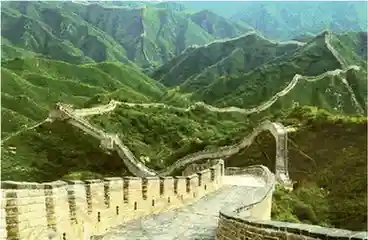
- Fortifications were built as early as the eighth century BCE.
- From the third century BCE, these were unified into the Great Wall.
- The Great Wall symbolises fear and disruption caused by nomadic raids.
Next & Previous Topics of NCERT/CBSE History Class 11 Chapter 3: Nomadic Empires
| Topics No. | Topics Name |
|---|---|
| 1 | Social and Political Background |
| 2 | The Career of Genghis Khan |
| 3 | The Mongols after Genghis Khan |
| 4 | Social, Political and Military Organisation |
MCQs on NCERT History Class 11 Chapter 3 Topic – Social and Political Background Class 11
Here are the top exam-oriented MCQ-type questions on “Social and Political Background Class 11” that you should prepare for your CBSE or state board exams:
Question 1. The Mongols were linguistically related to which groups?
a) Persians and Arabs
b) Tatars, Khitan, Manchus and Turkic tribes
c) Chinese and Koreans
d) Slavs and Europeans
Answer: b)
Question 2. The Mongols inhabited mainly the
a) Iranian plateau
b) Siberian tundra
c) Steppes of Central Asia
d) Plains of northern China
Answer: c)
Question 3. The modern country associated with the Mongol heartland is
a) Kazakhstan
b) China
c) Mongolia
d) Uzbekistan
Answer: c)
Question 4. Which animals were mainly reared by Mongol pastoralists?
a) Buffaloes and pigs
b) Horses and sheep
c) Elephants and camels
d) Donkeys and yaks
Answer: b)
Question 5. Cattle, goats and camels were reared by the Mongols
a) in large numbers
b) only during winters
c) to a lesser extent
d) not at all
Answer: c)
Question 6. Hunter-gatherer Mongols lived mainly in the
a) southern deserts
b) river valleys
c) Siberian forests
d) Chinese plains
Answer: c)
Question 7. The main occupation of Mongol hunter-gatherers was
a) farming
b) mining
c) fur trade
d) pottery
Answer: c)
Question 8. The Mongol region experienced
a) mild climate
b) heavy rainfall
c) extremes of temperature
d) constant snowfall
Answer: c)
Question 9. Agriculture among the Mongols was
a) well developed
b) practised throughout the year
c) adopted from China
d) largely avoided
Answer: d)
Question 10. One major reason for the absence of cities in Mongol regions was
a) lack of rivers
b) nomadic economy
c) political instability
d) religious beliefs
Answer: b)
Question 11. Mongols lived in portable tents called
a) yurts
b) igloos
c) gers
d) pagodas
Answer: c)
Question 12. The Mongols moved seasonally between
a) villages
b) cities
c) forests
d) winter and summer pastures
Answer: d)
Question 13. Mongol society was divided into
a) castes
b) classes
c) patrilineal lineages
d) clans based on occupation
Answer: c)
Question 14. Richer Mongol families were more influential because they
a) owned land
b) controlled cities
c) had more animals and followers
d) had royal titles
Answer: c)
Question 15. Natural calamities among the Mongols often led to
a) migration to cities
b) religious reforms
c) conflicts and raids
d) permanent settlements
Answer: c)
Question 16. Mongol confederacies were usually
a) very large and permanent
b) small and short-lived
c) religious in nature
d) controlled by China
Answer: b)
Question 17. Genghis Khan’s confederation was comparable in size to that of
a) Alexander
b) Ashoka
c) Attila
d) Caesar
Answer: c)
Question 18. Attila died in
a) 410 CE
b) 453 CE
c) 476 CE
d) 500 CE
Answer: b)
Question 19. Genghis Khan’s political system was notable because it
a) collapsed quickly
b) depended on cities
c) survived after his death
d) was religiously based
Answer: c)
Question 20. The Mongols successfully defeated larger armies in
a) Africa only
b) China, Iran and eastern Europe
c) South Asia
d) Southeast Asia
Answer: b)
Question 21. After conquests, the Mongols ruled
a) only nomadic societies
b) forest communities
c) sedentary agrarian societies
d) tribal republics
Answer: c)
Question 22. Trade between Mongols and China involved exchange of
a) silk for silver
b) spices for gold
c) horses and furs for agricultural goods
d) weapons for slaves
Answer: c)
Question 23. Trade relations between Mongols and Chinese were
a) always peaceful
b) strictly controlled
c) mutually beneficial but tense
d) insignificant
Answer: c)
Question 24. Mongols sometimes abandoned trade in favour of
a) farming
b) diplomacy
c) migration
d) plunder
Answer: d)
Question 25. When Mongols were divided, the Chinese
a) withdrew from borders
b) asserted control over the steppe
c) stopped trading
d) migrated northward
Answer: b)
Question 26. Frontier wars affected settled societies more because they
a) lacked armies
b) depended on trade
c) disrupted agriculture and cities
d) were nomadic
Answer: c)
Question 27. Nomads suffered less from frontier wars because they could
a) negotiate easily
b) retreat quickly
c) build forts
d) depend on cities
Answer: b)
Question 28. Chinese rulers built fortifications primarily to
a) expand trade
b) control rivers
c) stop nomadic raids
d) mark boundaries
Answer: c)
Question 29. Fortifications against nomads existed in China as early as
a) 5th century CE
b) 3rd century CE
c) 8th century BCE
d) 1st century CE
Answer: c)
Question 30. The Great Wall of China began to take shape from the
a) 8th century BCE
b) 5th century BCE
c) 3rd century BCE
d) 1st century CE
Answer: c)
Question 31. The Great Wall symbolises
a) Chinese unity
b) trade expansion
c) fear of nomadic raids
d) agricultural growth
Answer: c)
Question 32. Mongol economy was primarily
a) agrarian
b) industrial
c) nomadic pastoral
d) urban commercial
Answer: c)
Question 33. Mongol hunter-gatherers were considered humbler because they
a) lacked animals
b) lived in forests
c) relied on fur trade
d) were politically inactive
Answer: c)
Question 34. Mongol political alliances were formed mainly for
a) religious reasons
b) offensive and defensive purposes
c) cultural exchange
d) farming activities
Answer: b)
Question 35. Mongol raids usually targeted
a) deserts
b) forests
c) pasture lands and livestock
d) mountains
Answer: c)
Question 36. The Mongols did not adopt farming mainly because
a) soil was infertile
b) climate was extreme and seasonal
c) lack of tools
d) Chinese resistance
Answer: b)
Question 37. Mongol pastoral life depended heavily on
a) rivers
b) forests
c) grasslands
d) towns
Answer: c)
Question 38. Trade pressure by Mongols was often supported by
a) religious leaders
b) military force
c) Chinese officials
d) merchants
Answer: b)
Question 39. The Mongols administered conquered territories that were
a) similar to their own society
b) nomadic only
c) sedentary and urban
d) forest-based
Answer: c)
Question 40. The relationship between nomads and agrarian societies was
a) completely hostile
b) entirely peaceful
c) isolated
d) interdependent
Answer: d)