
Economic Expansion Class 11 – Concept, MCQs & Notes PDF
Topic covered: Economic Expansion class 11 notes and MCQs questions: An Empire Across Three Continents (All single detail notes are exam-oriented).
We have discussed in-depth and exam-oriented pointers that can be asked in the board exam of class 11th about “Economic Expansion“ from the NCERT history notes for class 11th chapter 2 “An Empire Across Three Continents”.
Download the NCERT History for Class 11th Chapter 2 An Empire Across Three Continents Notes PDF
NCERT History Class 11 Chapter 2 notes are prepared to help students study more effectively and revise faster. This chapter, An Empire Across Three Continents, introduces to the rise and expansion of a powerful empire that spread across Asia, Europe, and Africa, shaping political, cultural, and administrative systems. This chapter plays an important role in building a strong foundation in Class 11 History.
At E-book NCERT, the Class 11 History Chapter 2 notes are created to support focused and exam-oriented study. Students can download the NCERT History notes PDF anytime for quick revision and better understanding. This chapter explores the growth of a vast empire, its administration, economy, military organisation, and cultural integration across three continents. It also discusses important archaeological and literary sources that help us understand how such empires functioned and influenced the ancient world.
Economic Expansion
1. Economic Infrastructure of the Empire:
- The empire had a strong economic base of harbours, mines, quarries, brickyards and olive-oil factories.
- Major traded goods included wheat, wine and olive oil.
- These goods mainly came from Spain, Gaul, North Africa, Egypt and partly Italy.
2. Amphorae and Trade Evidence:
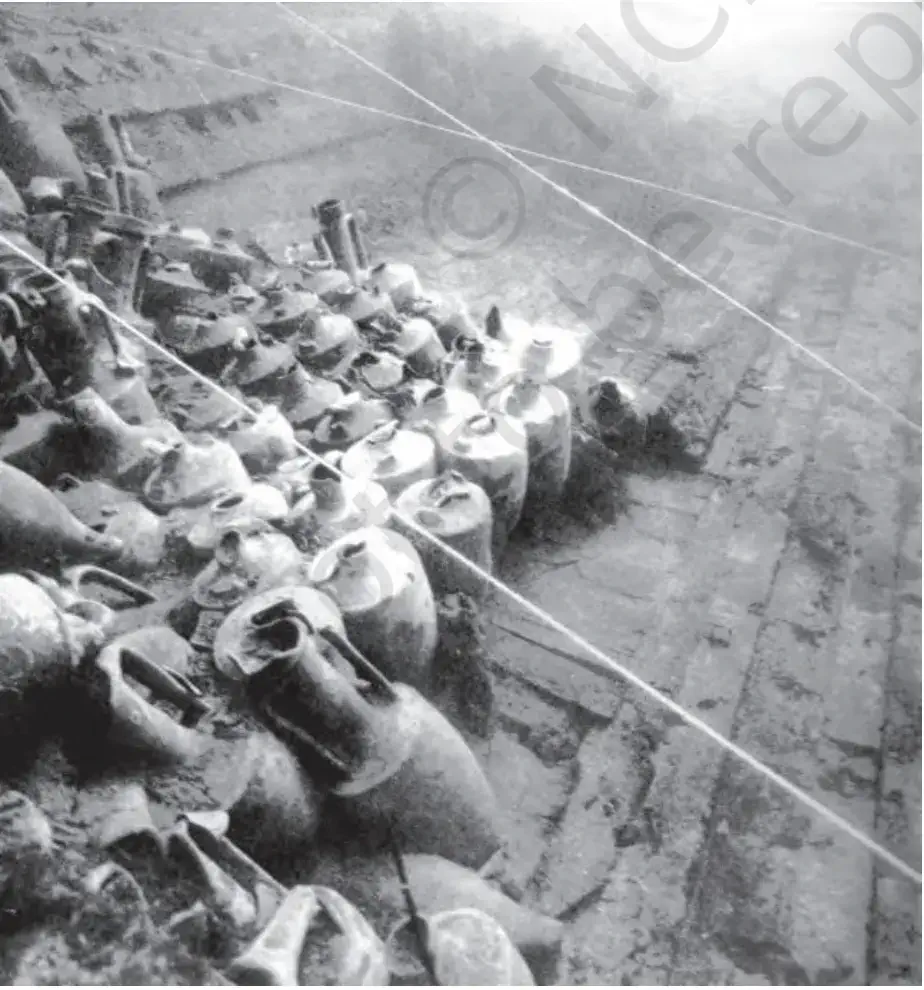
- Wine and olive oil were transported in containers called amphorae.
- Huge numbers of amphora fragments survive, including over 50 million at Monte Testaccio in Rome.
- Archaeologists identify what amphorae carried and where they were made by analysing clay and matching it to clay pits.
3. Spanish Olive Oil Production:
- Spanish olive oil became a massive commercial venture, peaking between 140 and 160.
- The main container used was Dressel 20.
- Wide distribution of Dressel 20 across the Mediterranean shows Spanish oil circulated extensively.
- Distribution maps reveal Spanish producers captured olive oil markets from Italian producers.
- This shift implies Spanish oil was better in quality and cheaper.
4. Competition Among Landowners:
- Large landowners from various regions competed for control of major markets.
- Spanish success in olive oil was later repeated by North African producers.
- North Africa dominated olive oil production through the third and fourth centuries.
5. Shifting Market Dominance:
- After 425, North African dominance fell.
- In the fifth and sixth centuries, regions like the Aegean, southern Asia Minor, Syria and Palestine became major exporters of wine and olive oil.
- African containers became far less visible in Mediterranean markets.
6. Regional Prosperity and Fertile Zones:
- Prosperous regions included Campania, Sicily, the Fayum, Galilee, Byzacium, southern Gaul and Baetica.
- Campania was famous for high-quality wine.
- Sicily and Byzacium exported large quantities of wheat to Rome.
- Galilee was intensively cultivated, according to Josephus.
- Spanish olive oil came from large estates along the Guadalquivir River.
7. Less Developed Regions:
- Many areas of the empire remained less advanced.
- Numidia had widespread transhumance, with pastoral communities moving with their portable mapalia huts.
- Expansion of Roman estates in North Africa reduced pasturelands and restricted movement of these communities.
- Northern Spain was also less developed, inhabited by Celtic-speaking peasants living in hilltop castella.
8. Avoiding Stereotypes About Ancient Economies:
- Roman cultural and economic life was far from primitive.
- The empire used water power in diverse ways.
- Water-powered milling technology and hydraulic mining were advanced.
- Spanish mines worked at industrial scale in the first and second centuries, with output not matched again until the nineteenth century.
- Well-organised commercial and banking networks existed.
- Money was widely used across the empire.
Next & Previous Topics of NCERT/CBSE History Class 11 Chapter 2: An Empire Across Three Continents
| Topics No. | Topics Name |
|---|---|
| 1 | The Early Empire |
| 2 | The Third-Century Crisis |
| 3 | Gender, Literacy, Culture |
| 4 | Economic Expansion |
| 5 | Controlling Workers |
| 6 | Social Hierarchies |
| 7 | Late Antiquity |
MCQs on NCERT History Class 11 Chapter 2 Topic – Economic Expansion Class 11
Here are the top exam-oriented MCQ-type questions on “Economic Expansion Class 11” that you should prepare for your CBSE or state board exams:
Question 1. Which of the following formed part of the economic infrastructure of the Roman Empire?
A. Harbours and mines
B. Quarries and brickyards
C. Olive oil factories
D. All of the above
Answer: D
Question 2. Which three agricultural products were traded and consumed in huge quantities in the Roman Empire?
A. Rice, barley, oil
B. Wheat, wine, olive oil
C. Corn, wine, meat
D. Wheat, sugar, oil
Answer: B
Question 3. Wheat, wine and olive oil mainly came from which regions?
A. Britain and Gaul
B. Spain, North Africa, Egypt
C. Greece and Macedonia
D. Persia and Mesopotamia
Answer: B
Question 4. What were ‘amphorae’ used for?
A. Storage of grain
B. Transport of liquids like wine and olive oil
C. Religious rituals
D. Burial practices
Answer: B
Question 5. Monte Testaccio in Rome is famous for containing remnants of:
A. Weapons
B. Coins
C. Amphorae
D. Temples
Answer: C
Question 6. The study of amphora fragments helps archaeologists to:
A. Identify Roman kings
B. Reconstruct trade routes
C. Understand military strategies
D. Study religious practices
Answer: B
Question 7. Spanish olive oil reached its peak as a commercial enterprise during:
A. 50–70 CE
B. 90–120 CE
C. 140–160 CE
D. 200–220 CE
Answer: C
Question 8. The container mainly used for transporting Spanish olive oil was called:
A. Dressel 10
B. Dressel 20
C. Monte 50
D. Amphora Maxima
Answer: B
Question 9. Wide distribution of Dressel 20 amphorae suggests that:
A. Olive oil was scarce
B. Trade was local
C. Spanish olive oil circulated widely
D. Italians dominated olive oil markets
Answer: C
Question 10. Spanish producers captured olive oil markets because they:
A. Had political support
B. Supplied better quality oil at lower prices
C. Controlled Roman armies
D. Had religious influence
Answer: B
Question 11. Which region dominated olive oil production during the third and fourth centuries?
A. Italy
B. Spain
C. North Africa
D. Greece
Answer: C
Question 12. After 425 CE, dominance in wine and olive oil trade shifted to:
A. Britain and Gaul
B. The Eastern Mediterranean
C. Italy and Spain
D. North Africa
Answer: B
Question 13. Which areas became major exporters in the fifth and sixth centuries?
A. Sicily and Campania
B. Egypt and Galilee
C. Aegean, Syria, Palestine
D. Gaul and Britain
Answer: C
Question 14. Which region was known for producing the best quality wine?
A. Sicily
B. Campania
C. Galilee
D. Egypt
Answer: B
Question 15. Sicily and Byzacium mainly exported:
A. Wine
B. Olive oil
C. Wheat
D. Metals
Answer: C
Question 16. Spanish olive oil mainly came from estates located along which river?
A. Tiber
B. Nile
C. Euphrates
D. Guadalquivir
Answer: D
Question 17. Transhumance was widespread in which region?
A. Campania
B. Numidia
C. Galilee
D. Sicily
Answer: B
Question 18. The portable oven-shaped huts of pastoral communities were called:
A. Castella
B. Domus
C. Mapalia
D. Insulae
Answer: C
Question 19. Roman expansion in North Africa led to:
A. Growth of pastoral lands
B. Reduced movement of pastoral communities
C. Increase in nomadic freedom
D. Decline of estates
Answer: B
Question 20. Hilltop villages in northern Spain were known as:
A. Fundi
B. Mapalia
C. Castella
D. Amphorae
Answer: C
Question 21. Which of the following regions was among the wealthiest parts of the empire?
A. Campania
B. Sicily
C. Baetica
D. All of the above
Answer: D
Question 22. Hydraulic mining techniques were used mainly in:
A. Italian iron mines
B. Spanish gold and silver mines
C. Egyptian quarries
D. Gallic stone pits
Answer: B
Question 23. Roman mining output in the first and second centuries matched levels not seen again until:
A. 10th century
B. 15th century
C. 19th century
D. 21st century
Answer: C
Question 24. Which of the following indicates the sophistication of the Roman economy?
A. Use of water power
B. Banking and commercial networks
C. Widespread use of money
D. All of the above
Answer: D
Question 25. The discussion of the Roman economy finally leads to the issue of:
A. Religion
B. Language
C. Labour and slavery
D. Architecture
Answer: C