
Cathedral-Towns Class 11 – Concept, MCQs & Notes PDF
Topic covered: Cathedral-Towns class 11 notes and MCQs questions: The Three Orders (All single detail notes are exam-oriented).
We have discussed in-depth and exam-oriented pointers that can be asked in the board exam of class 11th about “Cathedral-Towns“ from the NCERT history notes for class 11th chapter 4 “The Three Orders”.
Download the NCERT History for Class 11th Chapter 4 The Three Orders Notes PDF
Download the NCERT History for Class 11th Chapter 4 The Three Orders Notes PDF for a detailed and easy-to-understand explanation of medieval European society. These notes begin with an introduction to feudalism and explain how the feudal system developed in France and England. You will clearly understand the three orders of society, focusing on the second order, the nobility, their privileges, duties, and life on the manorial estate, including the role of knights in feudal warfare.
The chapter also explains the first order, the clergy, covering monks, the Church, and its deep influence on social life, education, and moral values. Equal attention is given to the third order, peasants, both free and unfree, with specific references to England and their everyday struggles. In addition, the notes discuss factors affecting social and economic relations, the emergence of a possible fourth order with new towns, townspeople, and cathedral towns, and the major crisis of the fourteenth century, marked by social unrest and political changes. These NCERT-based notes are ideal for concept clarity, revision, and exam preparation.
Cathedral-Towns
1. Use of Wealth by Rich Merchants:
- Rich merchants spent their money by donating to churches
Rise of Cathedrals in France
1. Construction of Cathedrals:
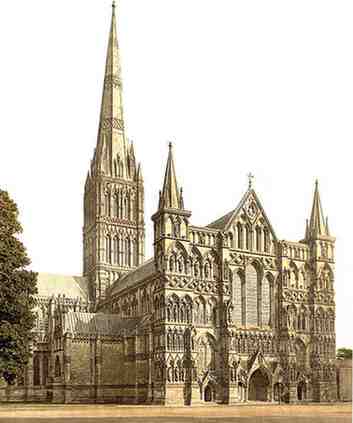
- From the twelfth century, large churches called cathedrals were built in France
- Cathedrals belonged to monasteries
- Construction involved contributions of labour, materials, or money by different groups
- Cathedrals were built of stone
- They took many years to complete
Cathedrals and Urban Growth
1. Population Increase Around Cathedrals:
- Areas around cathedrals became more populated during construction
- After completion, cathedrals became centres of pilgrimage
2. Development of Towns:
- Small towns developed around cathedrals
Architectural Features of Cathedrals
1. Design for Sound:
- Built so the priest’s voice could be heard clearly
- Designed to enhance monks’ singing
- Chiming bells could be heard over long distances
Stained Glass Windows
1. Visual and Religious Purpose:
- Stained glass was used for windows
- Sunlight made the windows radiant during the day
- Candlelight made them visible at night
- Windows narrated Bible stories through pictures
- Illiterate people could ‘read’ religious stories visually
Overcrowding and Expansion of Churches
1. Problems During Feast Days:
- Churches were narrow and overcrowded
- Worship led to confusion and discomfort
2. Decision to Enlarge Churches:
- Churches were enlarged and amplified to manage large gatherings
Artistic Work and Protection
1. Creation of Windows:
- New windows were painted by masters from different regions
- Windows were valuable due to:
- Skilled execution
- Use of painted and sapphire glass
2. Care of Artworks:
- An official master craftsman was appointed for protection
- A goldsmith was also appointed
- They received allowances in:
- Coins from the altar
- Flour from the common storehouse
Next & Previous Topics of NCERT/CBSE History Class 11 Chapter 4: The Three Orders
MCQs on NCERT History Class 11 Chapter 4 Topic – Cathedral-Towns Class 11
Here are the top exam-oriented MCQ-type questions on “Cathedral-Towns Class 11” that you should prepare for your CBSE or state board exams:
Question 1. One major way rich merchants spent their wealth was by:
A. Buying land
B. Hiring soldiers
C. Donating to churches
D. Building castles
Answer: C
Question 2. From which century were large churches called cathedrals built in France?
A. Tenth century
B. Eleventh century
C. Twelfth century
D. Thirteenth century
Answer: C
Question 3. Medieval cathedrals in France mainly belonged to:
A. Kings
B. Merchants
C. Monasteries
D. Guilds
Answer: C
Question 4. The construction of cathedrals involved contributions from:
A. Only monks
B. Only nobles
C. Different groups of people
D. Only merchants
Answer: C
Question 5. People contributed to cathedral construction in the form of:
A. Only money
B. Only labour
C. Labour, materials, or money
D. Taxes
Answer: C
Question 6. Cathedrals were primarily built using:
A. Wood
B. Brick
C. Stone
D. Marble
Answer: C
Question 7. Cathedral construction usually took:
A. A few months
B. One year
C. Many years
D. One decade only
Answer: C
Question 8. During construction, areas around cathedrals became:
A. Deserted
B. Militarised
C. More populated
D. Agricultural
Answer: C
Question 9. After completion, cathedrals became centres of:
A. Trade
B. Education
C. Pilgrimage
D. Administration
Answer: C
Question 10. The growth of pilgrimage around cathedrals led to the development of:
A. Villages
B. Ports
C. Small towns
D. Forts
Answer: C
Architectural and Functional Design
Question 11. Cathedrals were designed so that the priest’s voice could:
A. Be amplified by instruments
B. Be heard clearly inside
C. Be echoed loudly outside
D. Be silent
Answer: B
Question 12. Cathedral design also focused on enhancing:
A. Military defence
B. Market space
C. Singing by monks
D. Royal ceremonies
Answer: C
Question 13. Bells of cathedrals were meant to be heard:
A. Only inside the building
B. Only by monks
C. Over a great distance
D. Inside towns only
Answer: C
Question 14. Which feature was specially used for cathedral windows?
A. Wooden panels
B. Iron grills
C. Stained glass
D. Stone slabs
Answer: C
Question 15. During daytime, stained glass appeared radiant due to:
A. Torchlight
B. Moonlight
C. Sunlight
D. Fire
Answer: C
Question 16. After sunset, stained glass became visible because of:
A. Street lamps
B. Moonlight
C. Candlelight
D. Lanterns
Answer: C
Question 17. Stained glass windows mainly depicted:
A. Royal portraits
B. Merchant life
C. Biblical stories
D. Battles
Answer: C
Question 18. Biblical stories in stained glass were presented through:
A. Written text
B. Symbols only
C. Pictures
D. Songs
Answer: C
Question 19. Stained glass helped illiterate people because they could:
A. Listen to sermons
B. Read written text
C. ‘Read’ pictures
D. Learn Latin
Answer: C
Question 20. Cathedrals served as centres of both religion and:
A. Warfare
B. Pilgrimage
C. Agriculture
D. Industry
Answer: B
Question 21. On feast days, overcrowding caused:
A. Silence
B. Smooth movement
C. Chaos and confusion
D. Celebration only
Answer: C
Question 22. Overcrowding especially affected:
A. Children
B. Monks
C. Women
D. Soldiers
Answer: C
Question 23. To address overcrowding, authorities decided to:
A. Close the church
B. Build a new church
C. Enlarge the existing church
D. Limit entry
Answer: C
Question 24. New cathedral windows were painted by:
A. Local peasants
B. One artist
C. Masters from different regions
D. Monks only
Answer: C
Question 25. The windows were considered valuable mainly due to:
A. Their size
B. Their age
C. Their artistic quality and costly glass
D. Their religious theme only
Answer: C
Question 26. Sapphire glass was used to show:
A. Simplicity
B. Poverty
C. Richness and expense
D. Fragility
Answer: C
Question 27. An official master craftsman was appointed to:
A. Paint walls
B. Guard the windows
C. Collect taxes
D. Teach monks
Answer: B
Question 28. Along with the craftsman, who else was appointed?
A. Soldier
B. Architect
C. Goldsmith
D. Priest
Answer: C
Question 29. The goldsmith and craftsman received allowances in the form of:
A. Land
B. Gold only
C. Coins and flour
D. Clothes
Answer: C
Question 30. Coins given to craftsmen came from:
A. Royal treasury
B. Merchants
C. The altar
D. Town council
Answer: C
Question 31. Cathedral building shows that the medieval Church had:
A. No wealth
B. Artistic interest only
C. Economic and social power
D. Political weakness
Answer: C
Question 32. The role of merchants in cathedral construction suggests:
A. Merchants opposed the Church
B. Wealth was concentrated only with kings
C. Merchants sought religious merit and status
D. Merchants avoided religion
Answer: C
Question 33. The development of towns around cathedrals indicates:
A. Decline of religion
B. Link between religion and urban growth
C. Growth of agriculture only
D. Military expansion
Answer: B
Question 34. Use of stained glass instead of text reflects:
A. Low importance of religion
B. High literacy rates
C. Prevalence of illiteracy
D. Lack of artists
Answer: C
Question 35. Long construction time of cathedrals suggests:
A. Lack of interest
B. Advanced machinery
C. Large scale and complexity
D. Poor planning
Answer: C
Question 36. Appointment of officials for artwork protection shows:
A. Neglect of art
B. Temporary nature of cathedrals
C. Value placed on art and craftsmanship
D. Fear of invasion
Answer: C
Question 37. Cathedral bells primarily symbolised:
A. Royal authority
B. Military alert
C. Call to prayer
D. Market timing
Answer: C
Question 38. Cathedrals acted as a medium of education mainly through:
A. Schools
B. Sermons only
C. Visual storytelling
D. Written books
Answer: C
Question 39. The involvement of many social groups in cathedral construction shows:
A. Social conflict
B. Collective religious effort
C. Peasant domination
D. Decline of monasteries
Answer: B
Question 40. Overall, cathedrals in medieval Europe were centres of:
A. Religion, art, and urban growth
B. Only worship
C. Only trade
D. Military power
Answer: A