
Artists and Realism Class 11 – Concept, MCQs & Notes PDF
Topic covered: Artists and Realism class 11 notes and MCQs questions: Changing Cultural Traditions (All single detail notes are exam-oriented).
We have discussed in-depth and exam-oriented pointers that can be asked in the board exam of class 11th about “Artists and Realism“ from the NCERT history notes for class 11th chapter 5 “Changing Cultural Traditions”.
Download the NCERT History for Class 11th Chapter 5 Changing Cultural Traditions Notes PDF
Download the NCERT History for Class 11th Chapter 5 Changing Cultural Traditions Notes PDF if you want a clear and readable explanation of how ideas, art, and knowledge began to change in medieval Europe. These notes walk you through the revival of Italian cities, the growth of universities, and the rise of humanism, showing how people started to look at history, science, and philosophy in new ways. You will also learn about the Arab contribution to knowledge, realistic art, architecture, the first printed books, and changing views about human beings and women. The chapter ends with important religious debates and scientific ideas like the Copernican Revolution, helping you understand how people began to read and interpret the universe differently.
Artists and Realism
1. Humanism Beyond Formal Education:
- Humanists shaped minds not only through formal education
- Art, architecture and books effectively transmitted humanist ideas
2. Inspiration from the Classical Past:
- Artists studied works of the past for inspiration
- Material remains of Roman culture were valued like ancient texts
- Fragments of Roman art were discovered a thousand years after Rome’s fall
- Discoveries occurred in ancient Rome and other deserted cities
3. Classical Ideals in Sculpture:
- Artists admired perfectly proportioned human figures
- Italian sculptors aimed to continue the classical tradition
- Donatello (1386–1466) created lifelike statues in 1416
- His work marked a new development in sculpture
4. Science Supporting Artistic Accuracy:
- Artists’ concern for accuracy was aided by scientific work
- Artists studied bone structures in medical school laboratories
- Andreas Vesalius (1514–64) was the first to dissect the human body
- Vesalius was a professor at the University of Padua
- This marked the beginning of modern physiology
5. Realism in Painting:
- Painters lacked older models to follow
- They painted as realistically as possible
- Geometry helped in understanding perspective
- Study of light gave paintings a three-dimensional quality
6. New Painting Techniques:
- Oil painting increased richness of colour
- Paintings became more detailed and lifelike
7. Foreign Artistic Influences:
- Costume colours and designs showed Chinese and Persian influence
- These influences reached Europe through the Mongols
8. Emergence of Realism:
- Italian art combined anatomy, geometry and physics
- Artists also possessed a strong sense of beauty
- This new style was called ‘realism’
- Realism continued till the nineteenth century
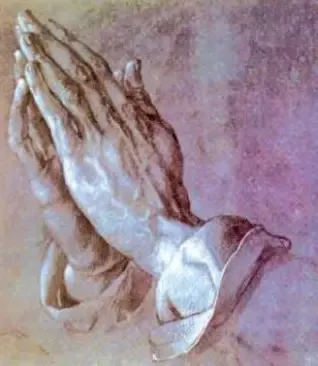
9. Albrecht Dürer’s View on Art:
- Art was seen as embedded in nature
- Geometry was essential to artistic work
- Artists should copy from real life
- Imagination alone could not create beauty
- Reflected a culture that was religious yet confident in human ability
10. Leonardo da Vinci: The Ideal Renaissance Figure:
- Leonardo da Vinci (1452–1519) had wide-ranging interests
- Fields included botany, anatomy, mathematics and art
- Painted Mona Lisa and The Last Supper
- Observed birds and designed a flying machine
- Signed himself ‘disciple of experiment’
Next & Previous Topics of NCERT/CBSE History Class 11 Chapter 5: Changing Cultural Traditions
MCQs on NCERT History Class 11 Chapter 5 – Artists and Realism Class 11
Here are the top exam-oriented MCQ-type questions on “Artists and Realism Class 11” that you should prepare for your CBSE or state board exams:
Question 1. Apart from formal education, humanist ideas were spread through:
A. Wars and conquests
B. Art, architecture and books
C. Trade and travel
D. Religious sermons
Answer: B
Question 2. Artists during the Renaissance were inspired mainly by:
A. Medieval church art
B. Works of the immediate past
C. Ancient Roman and classical works
D. Folk traditions
Answer: C
Question 3. Material remains of Roman culture were actively searched for:
A. Immediately after Rome fell
B. Five hundred years later
C. A thousand years after the fall of Rome
D. During the Roman Empire
Answer: C
Question 4. Fragments of ancient art were discovered mainly in:
A. Churches
B. Palaces
C. Ruins of ancient Rome and deserted cities
D. Universities
Answer: C
Question 5. Italian sculptors admired ancient statues mainly for their:
A. Religious symbolism
B. Bright colours
C. Perfect proportions of the human body
D. Political meaning
Answer: C
Question 6. Which artist broke new ground with lifelike statues in 1416?
A. Leonardo da Vinci
B. Michelangelo
C. Donatello
D. Raphael
Answer: C
Question 7. Donatello lived during the period:
A. 1350–1420
B. 1386–1466
C. 1452–1519
D. 1471–1528
Answer: B
Question 8. Artists’ accuracy in sculpture was helped by:
A. Philosophers
B. Mathematicians
C. Scientists
D. Priests
Answer: C
Question 9. To understand bone structures, artists visited:
A. Churches
B. Royal courts
C. Medical school laboratories
D. Libraries
Answer: C
Question 10. Who was the first to dissect the human body scientifically?
A. Leonardo da Vinci
B. Donatello
C. Andreas Vesalius
D. Albrecht Durer
Answer: C
Question 11. Andreas Vesalius was a:
A. Painter
B. Sculptor
C. Professor of medicine
D. Architect
Answer: C
Question 12. Vesalius taught at the University of:
A. Rome
B. Paris
C. Florence
D. Padua
Answer: D
Question 13. The dissection of the human body marked the beginning of:
A. Modern anatomy
B. Modern physiology
C. Modern biology
D. Modern surgery
Answer: B
Question 14. Unlike sculptors, painters lacked:
A. Inspiration
B. Colour pigments
C. Older works as models
D. Knowledge of geometry
Answer: C
Question 15. Renaissance painters aimed to paint:
A. Symbolically
B. Religiously
C. As realistically as possible
D. Abstractly
Answer: C
Question 16. Knowledge of which subject helped painters understand perspective?
A. History
B. Geometry
C. Theology
D. Biology
Answer: B
Question 17. The three-dimensional quality in paintings was achieved by studying:
A. Human emotions
B. Religious texts
C. Light and its changes
D. Chemical reactions
Answer: C
Question 18. Oil painting improved art by providing:
A. Faster drying
B. Cheaper colours
C. Greater richness of colour
D. Religious themes
Answer: C
Question 19. The influence of Chinese and Persian art is visible mainly in:
A. Sculptures
B. Architecture
C. Costumes in paintings
D. Church murals
Answer: C
Question 20. Chinese and Persian artistic influences reached Europe through:
A. Arabs
B. Romans
C. Mongols
D. Greeks
Answer: C
Question 21. Italian art gained a new quality due to the combined use of:
A. Religion and politics
B. Anatomy, geometry and physics
C. Faith and imagination
D. Colour and mythology
Answer: B
Question 22. This new artistic style was called:
A. Classicism
B. Romanticism
C. Realism
D. Naturalism
Answer: C
Question 23. The artistic style of realism continued till the:
A. Seventeenth century
B. Eighteenth century
C. Nineteenth century
D. Twentieth century
Answer: C
Question 24. According to Albrecht Durer, art is deeply connected to:
A. Religion
B. Nature
C. Politics
D. Imagination alone
Answer: B
Question 25. Durer believed geometry helped artists to:
A. Decorate churches
B. Demonstrate their work
C. Invent new forms
D. Reject realism
Answer: B
Question 26. Durer emphasized learning art by:
A. Religious meditation
B. Reading philosophy
C. Copying from life
D. Pure imagination
Answer: C
Question 27. Durer’s Praying Hands reflects a society that was:
A. Only scientific
B. Only religious
C. Religious yet confident in human ability
D. Politically aggressive
Answer: C
Question 28. Leonardo da Vinci had interests ranging from:
A. History to theology
B. Botany and anatomy to mathematics and art
C. Law to politics
D. Literature to poetry
Answer: B
Question 29. Leonardo da Vinci painted:
A. The Creation of Adam
B. The School of Athens
C. Mona Lisa and The Last Supper
D. David and Pietà
Answer: C
Question 30. One of Leonardo’s dreams was to:
A. Build a palace
B. Discover new lands
C. Fly like birds
D. Reform education
Answer: C
Question 31. To fulfill his dream of flying, Leonardo studied:
A. Wind patterns
B. Mechanical devices
C. Birds in flight
D. Ancient texts
Answer: C
Question 32. Leonardo designed a:
A. Steam engine
B. Flying machine
C. Telescope
D. Compass
Answer: B
Question 33. Leonardo signed his name as:
A. Son of Florence
B. Master of Art
C. Disciple of experiment
D. Servant of God
Answer: C
Question 34. The phrase ‘disciple of experiment’ highlights Leonardo’s belief in:
A. Faith
B. Authority
C. Observation and experimentation
D. Tradition
Answer: C
Question 35. Renaissance artists believed beauty came from:
A. Religious rules
B. Human imagination alone
C. Close observation of life
D. Mythology
Answer: C
Question 36. Humanist ideas reached people most effectively through:
A. Political speeches
B. Military campaigns
C. Visual arts and books
D. Legal institutions
Answer: C
Question 37. The rediscovery of Roman art strengthened the idea of:
A. Medieval dominance
B. Human perfection
C. Church authority
D. Feudal loyalty
Answer: B
Question 38. Scientific study supported Renaissance art mainly by improving:
A. Religious expression
B. Accuracy and realism
C. Political messaging
D. Moral teaching
Answer: B
Question 39. Renaissance realism focused mainly on:
A. Symbolism
B. Fantasy
C. Human form and natural life
D. Supernatural themes
Answer: C
Question 40. The Renaissance view of humans emphasized:
A. Human weakness
B. Dependence on the Church
C. Confidence in human potential
D. Rejection of science
Answer: C