
Architecture Class 11 – Concept, MCQs & Notes PDF
Topic covered: Architecture class 11 notes and MCQs questions: Changing Cultural Traditions (All single detail notes are exam-oriented).
We have discussed in-depth and exam-oriented pointers that can be asked in the board exam of class 11th about “Architecture“ from the NCERT history notes for class 11th chapter 5 “Changing Cultural Traditions”.
Download the NCERT History for Class 11th Chapter 5 Changing Cultural Traditions Notes PDF
Download the NCERT History for Class 11th Chapter 5 Changing Cultural Traditions Notes PDF if you want a clear and readable explanation of how ideas, art, and knowledge began to change in medieval Europe. These notes walk you through the revival of Italian cities, the growth of universities, and the rise of humanism, showing how people started to look at history, science, and philosophy in new ways. You will also learn about the Arab contribution to knowledge, realistic art, architecture, the first printed books, and changing views about human beings and women. The chapter ends with important religious debates and scientific ideas like the Copernican Revolution, helping you understand how people began to read and interpret the universe differently.
Architecture
1. Revival of Rome in the Fifteenth Century:
- Rome revived spectacularly in the fifteenth century
- Revival was closely linked to political and cultural changes
2. Strengthening of Papal Power:
- From 1417, popes became politically stronger
- Earlier weakness was due to two rival popes elected since 1378
- End of rivalry restored political stability
3. Encouragement of Historical Studies:
- Popes actively promoted the study of Rome’s history
- Interest in the past became a key feature of the revival
4. Growth of Archaeology:
- Roman ruins were carefully excavated
- Archaeology emerged as a new skill
- Excavations influenced artistic and architectural styles
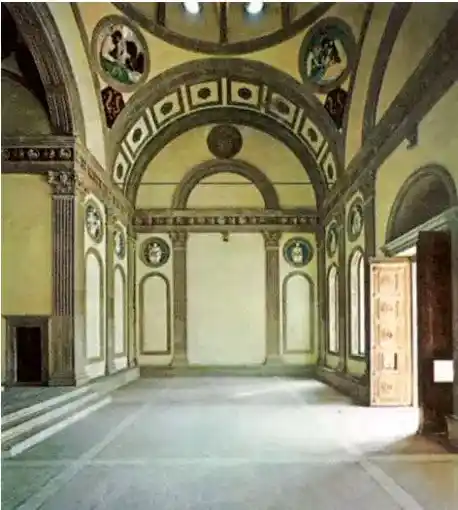
5. Revival of Classical Architecture:
- Excavations inspired a ‘new’ architectural style
- This style revived imperial Roman architecture
- The revived style came to be called ‘classical’
6. Patronage of Art and Architecture:
- Popes, wealthy merchants and aristocrats employed architects
- Architects were familiar with classical architecture
- Buildings were decorated with paintings, sculptures and reliefs
7. Multi-Talented Artists:
- Some individuals were skilled as painters, sculptors and architects
- Artists worked across multiple art forms
8. Michelangelo Buonarroti:
- Michelangelo (1475–1564) was the most impressive example
- Painted the ceiling of the Sistine Chapel
- Created the sculpture ‘The Pieta’
- Designed the dome of St Peter’s Church
- All major works were located in Rome
9. Filippo Brunelleschi:
- Brunelleschi (1337–1446) designed the Duomo of Florence
- He began his career as a sculptor
- Later became a renowned architect
10. Changing Status of Artists:
- Artists were now known individually by name
- Earlier, artists were identified as members of guilds or groups
- This marked a major shift in the social status of artists
Next & Previous Topics of NCERT/CBSE History Class 11 Chapter 5: Changing Cultural Traditions
MCQs on NCERT History Class 11 Chapter 5 – Architecture Class 11
Here are the top exam-oriented MCQ-type questions on “Architecture Class 11” that you should prepare for your CBSE or state board exams:
Question 1. In which century did the city of Rome revive in a spectacular way?
A. Fourteenth century
B. Fifteenth century
C. Sixteenth century
D. Seventeenth century
Answer: B
Question 2. From which year did the popes become politically stronger?
A. 1378
B. 1400
C. 1417
D. 1450
Answer: C
Question 3. The political weakness of the popes was mainly due to:
A. Foreign invasions
B. Economic decline
C. Election of two rival popes
D. Decline of trade
Answer: C
Question 4. The weakness caused by rival popes had existed since:
A. 1300
B. 1350
C. 1378
D. 1405
Answer: C
Question 5. After becoming politically stronger, the popes actively encouraged the study of:
A. Greek philosophy
B. Roman law
C. Rome’s history
D. Christian theology
Answer: C
Question 6. Which new skill was used to carefully excavate the ruins of Rome?
A. Geography
B. Architecture
C. Archaeology
D. Anthropology
Answer: C
Question 7. Archaeology is described in the passage as:
A. An old medieval practice
B. A religious activity
C. A new skill
D. A political tool
Answer: C
Question 8. Excavation of Roman ruins inspired a new style of:
A. Painting
B. Sculpture
C. Literature
D. Architecture
Answer: D
Question 9. The ‘new’ architectural style was actually a revival of:
A. Gothic style
B. Medieval style
C. Imperial Roman style
D. Byzantine style
Answer: C
Question 10. The revived imperial Roman architectural style came to be known as:
A. Gothic
B. Baroque
C. Classical
D. Renaissance
Answer: C
Question 11. Who employed architects familiar with classical architecture?
A. Only the Church
B. Peasants and artisans
C. Popes, wealthy merchants and aristocrats
D. Soldiers and nobles
Answer: C
Question 12. Buildings during this period were decorated with:
A. Only paintings
B. Only sculptures
C. Paintings, sculptures and reliefs
D. Religious texts
Answer: C
Question 13. Some individuals during the Renaissance were skilled as:
A. Painters only
B. Architects only
C. Sculptors only
D. Painters, sculptors and architects
Answer: D
Question 14. Who is described as the most impressive example of a multi-talented artist?
A. Donatello
B. Leonardo da Vinci
C. Michelangelo Buonarroti
D. Raphael
Answer: C
Question 15. Michelangelo Buonarroti lived during:
A. 1337–1446
B. 1386–1466
C. 1452–1519
D. 1475–1564
Answer: D
Question 16. Michelangelo painted the ceiling of the:
A. St Peter’s Church
B. Duomo of Florence
C. Sistine Chapel
D. Pantheon
Answer: C
Question 17. ‘The Pieta’ is a famous work of:
A. Painting
B. Architecture
C. Sculpture
D. Literature
Answer: C
Question 18. Michelangelo also designed the dome of:
A. Florence Cathedral
B. St Peter’s Church
C. Sistine Chapel
D. Roman Forum
Answer: B
Question 19. All of Michelangelo’s major works mentioned were located in:
A. Florence
B. Venice
C. Milan
D. Rome
Answer: D
Question 20. Who designed the spectacular Duomo of Florence?
A. Michelangelo
B. Leonardo da Vinci
C. Filippo Brunelleschi
D. Donatello
Answer: C
Question 21. Filippo Brunelleschi originally began his career as a:
A. Painter
B. Sculptor
C. Architect
D. Engineer
Answer: B
Question 22. Brunelleschi lived during the period:
A. 1304–1378
B. 1337–1446
C. 1386–1466
D. 1475–1564
Answer: B
Question 23. A major change during this period was that artists were:
A. Controlled by the Church
B. Organised in guilds
C. Known individually by name
D. Anonymous
Answer: C
Question 24. Earlier, artists were generally known as members of:
A. Royal courts
B. Universities
C. Families
D. Guilds
Answer: D
Question 25. The recognition of artists as individuals reflects the rise of:
A. Feudal values
B. Medieval traditions
C. Individualism
D. Monastic culture
Answer: C